
Private Transfers in Cascais — Airport & Day Trips
Private and reliable transfers in Cascais – airport, hotel, business travel and day trips across Portugal.
Explore the best of Cascais
Fast highlights + a full travel guide to plan Cascais properly.
Cascais is in the Lisbon & Surroundings region of Portugal, about 32 km from Lisbon Airport.
This page introduces Cascais as a place. For a closer look at what to visit, the landmarks section covers each site in detail, while food and gastronomy goes deeper into where and what to eat. Accommodation options across the town are listed under where to stay, and the full guide brings everything together for trip planning.

Historic landmarks
Main monuments, best viewpoints, and what’s worth your time in Cascais.
Casa das Histórias Paula Rego
Cascais Old Town
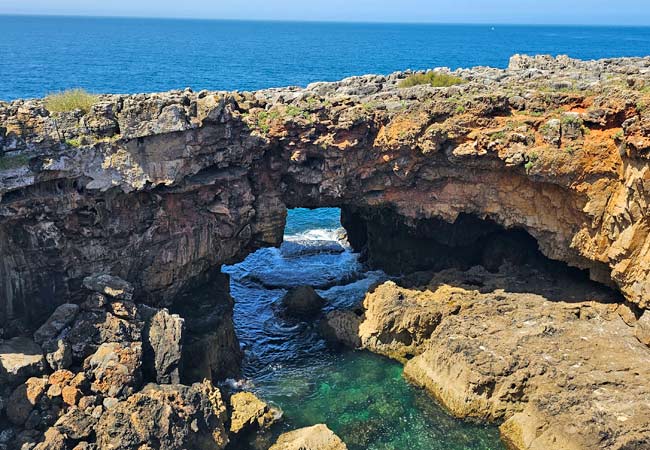
Boca do Inferno
Citadel of Cascais
Guincho Beach
Santa Marta Lighthouse Museum
Hotels & stays
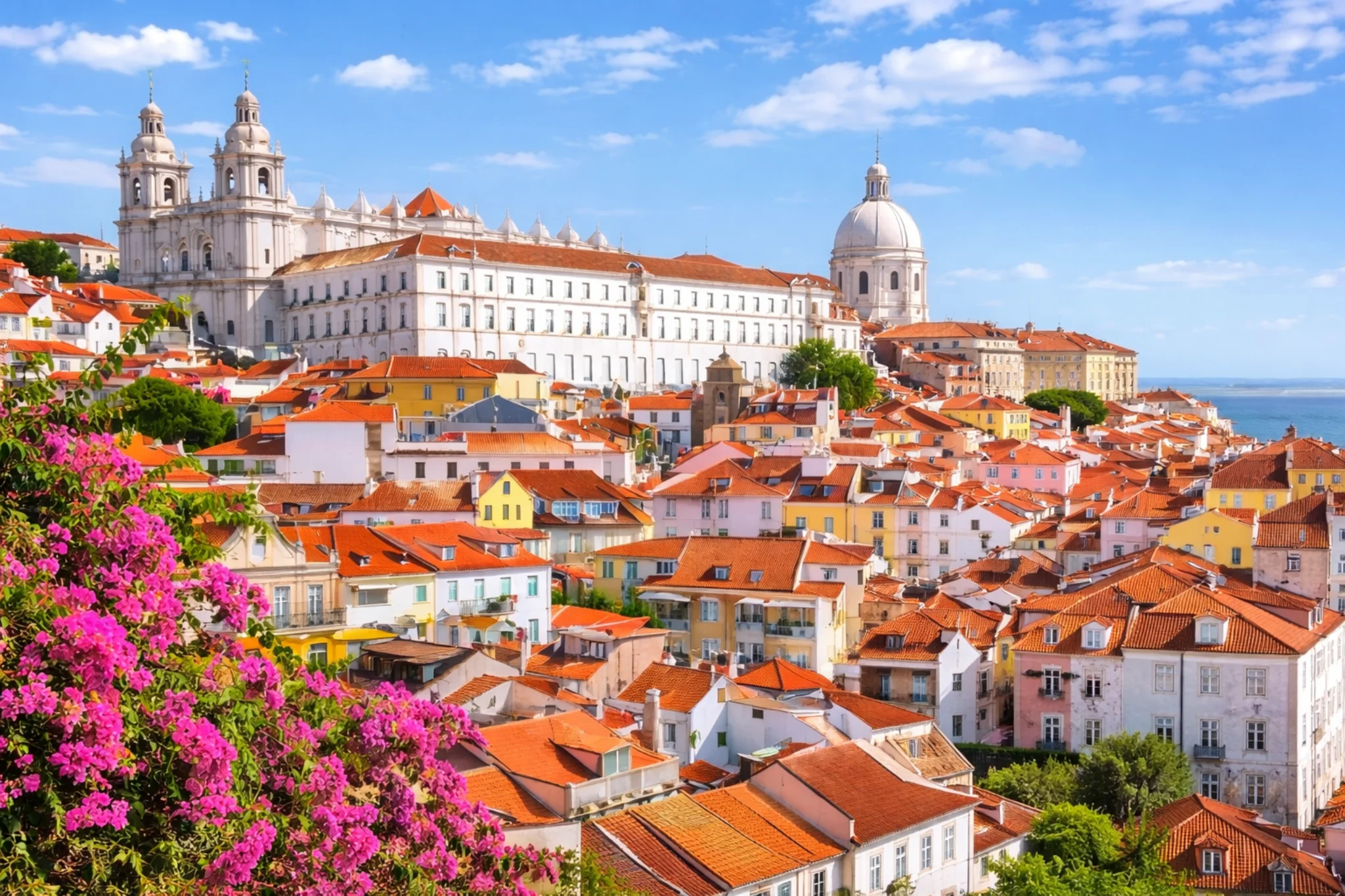
Book the right stay in Cascais: best areas, smart picks, and options for every budget.

Delicious cuisine
What to eat, where locals go, and quick “must-try” food in Cascais.
Arroz de marisco
Peixe grelhado
Santola recheada
Percebes
Areias de Cascais
Colares and Carcavelos wines
Travel guide to Cascais
Cascais is a coastal town in the Lisbon Metropolitan Area, situated 32 kilometres west of the capital. Once a quiet fishing village, it developed into one of Portugal’s most visited seaside destinations during the late 19th century, when the royal family and Lisbon’s elite adopted it as a summer retreat. That history left a legacy of elegant architecture, cultural institutions and a relaxed maritime character that persists today.
What to see in Cascais
The Cascais Old Town clusters around the waterfront, its narrow streets lined with traditional cafés and local shops. The Citadel of Cascais, a 16th-century coastal fortress, anchors the seafront and reflects the town’s long relationship with Atlantic defence. Further along the coast, Boca do Inferno is a natural rock formation where the ocean has carved a dramatic cleft into the cliffs — a site that has drawn visitors and artists for well over a century. The Santa Marta Lighthouse Museum occupies a working lighthouse compound and traces the history of Portuguese maritime navigation.
Inland from the waterfront, the Casa das Histórias Paula Rego houses a significant collection of work by one of Portugal’s most internationally recognised artists, offering cultural depth beyond the coastal setting. To the north-west, Guincho Beach stretches along an exposed Atlantic shoreline, favoured by surfers and windsurfers for its reliable winds. A dedicated overview of Cascais landmarks and what each offers is covered in the sights section of this guide.
Food and local character
Cascais cuisine is rooted in the sea. Arroz de marisco and peixe grelhado are staples across the waterfront restaurants, while santola recheada — stuffed spider crab — and percebes, the barnacles harvested from local rocky shores, reflect the town’s direct connection to Atlantic fishing traditions. Areias de Cascais, delicate almond pastries, are the town’s most distinctive sweet. The nearby Colares and Carcavelos denominations produce wines that appear regularly on local menus and pair naturally with seafood. The food section of this guide covers where and what to eat in greater detail.
Cascais is well connected to Lisbon by both road and rail, with a direct train line running along the Estoril coast. Lisbon Humberto Delgado Airport is approximately 40 kilometres away by road. The town functions equally well as a day-trip destination from Lisbon or as a multi-day base for exploring the wider coastline and the Sintra hills to the north.
Frequently asked questions
Quick answers, so you can book with confidence.
gotoo trips and transfers offers a direct private transfer from Lisbon to Cascais, covering 32 km in about 25 minutes — desde €60 / since €60 per vehicle. Fixed pricing, English-speaking driver and door-to-door service included. You can also add stops along the way — popular options include Sintra — turning your transfer into a multi-city journey.
Yes. gotoo trips and transfers runs private city-to-city transfers from Porto to Cascais (364 km · about 4h16 · desde €425 / since €425 per vehicle). Travellers often combine this journey with stops in Coimbra and Óbidos, making the most of the route. All transfers are private — your group travels alone with the driver, with no shared vehicles.
Yes. gotoo trips and transfers provides private transfers from Faro to Cascais (284 km · about 3h20 · desde €335 / since €335 per vehicle). A popular route for travellers who want to continue from the Algarve to Cascais — with the option to stop in Évora and Alcácer do Sal along the way.
Yes — this is one of the main reasons travellers choose gotoo trips and transfers. You can add up to two stops on any city-to-city route. Popular stops between Lisbon and Cascais include Sintra. Each stop includes waiting time so you can explore properly. Add your stops at booking and we include them in the fixed price quote.
Yes. gotoo trips and transfers provides private city-to-city transfers to and from Cascais, with departures from Lisbon, Porto and Faro. gotoo trips and transfers is a licensed Portuguese travel agency (RNAVT 10586) — not a technology platform — specialising in private transfers and day trips across Portugal, available 24/7 with English-speaking drivers.
For most travellers, a private transfer to Cascais is more practical than public transport: it is door-to-door, runs on your schedule and allows stops at cities or landmarks along the route. gotoo trips and transfers charges per vehicle (not per person), making it competitive for groups of two or more. Book at gotoo.pt or via WhatsApp at +351 932 275 689.
Getting to Cascais
Cascais sits about 35 km from Lisbon Airport, roughly 31 minutes by road. Public transport often means changes and waiting, and may leave you a walk from where you want to be. A private transfer takes you door-to-door, with a fixed price and no connections — from €44 from Lisbon Airport.