

Door-to-Door Service across Portugal
Private transfers across Portugal for airport, city-to-city, business and leisure travellers.






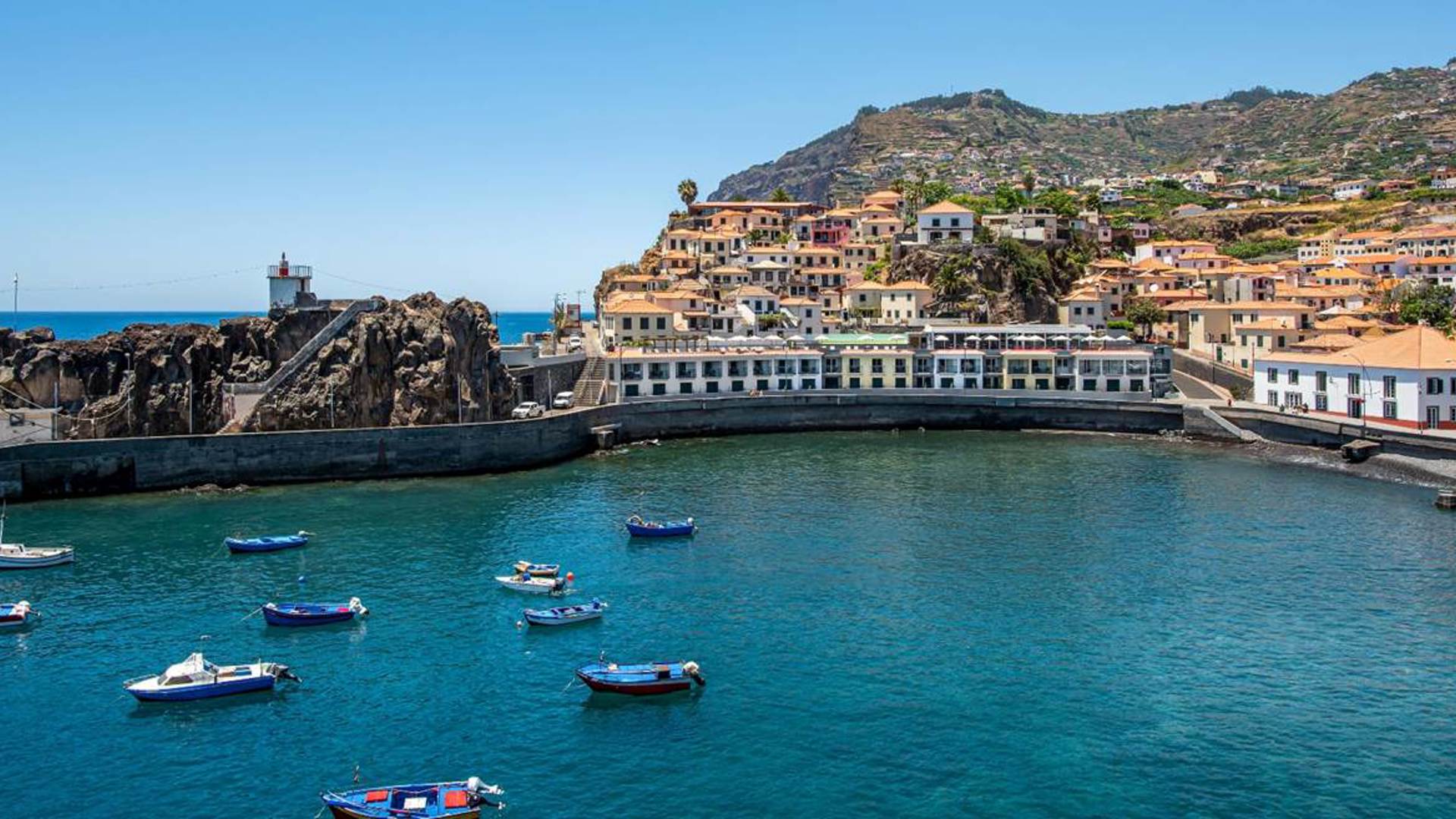
Madeira
Azores
Cities in Azores coming soon.
Portugal is a western European country of distinct regions, a deep maritime history, and a coastline that faces the open Atlantic.
Travel guide to Portugal
Portugal occupies the south-western corner of the Iberian Peninsula, bordered by the Atlantic Ocean to the west and south and by Spain to the north and east. Small in area yet varied in character, it is home to medieval cities, terraced wine valleys, long sandy coastlines, and two autonomous Atlantic archipelagos — the Açores and Madeira — each with its own distinct identity. The official language is Portuguese, the currency is the euro, and the country is a member of the Schengen Area, meaning no visa is required for travellers from the United States, Canada, or Germany for stays of up to 90 days.
Regions and main cities
Mainland Portugal is broadly understood in terms of its historic regions. In the north, Porto — Portugal's second city — sits at the mouth of the Rio Douro and is the commercial and cultural heart of the region. Upstream, the Vale do Douro is one of the world's oldest demarcated wine regions, its terraced vineyards rising steeply above the river. Further north, Braga is among the country's oldest cities, known for its baroque religious architecture and a large student population, while the Minho region along the Spanish border is the greenest and most traditionally rural part of the country.
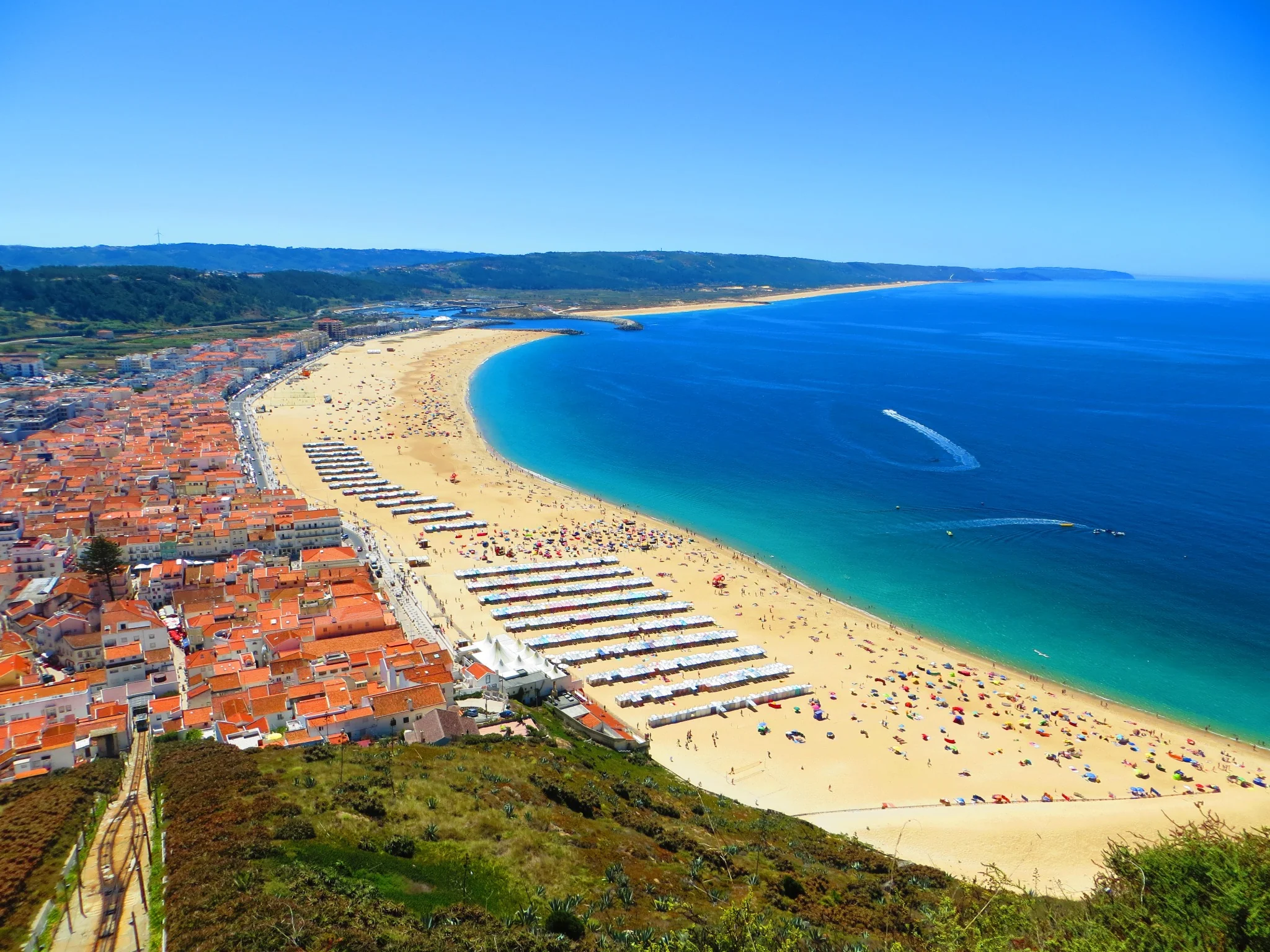
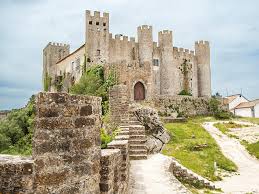
The centre of Portugal is anchored by Coimbra, home to one of Europe's oldest universities, founded in 1290. Its hilltop campus, Joanina Library, and distinct local tradition of fado make it a worthwhile stop between Porto and Lisbon. To the west, the Atlantic-facing coast around Nazaré is known for its large winter swells, and the walled town of Óbidos preserves a largely intact medieval streetscape.
The capital, Lisboa, occupies seven hills above the Rio Tejo estuary. Its historic neighbourhoods — Alfama, Mouraria, Belém — carry layers of Moorish, Manueline, and modernist architecture. South of Lisboa, the Alentejo is a wide, unhurried interior of cork oak plains, whitewashed villages, and some of Portugal's most respected red wines. At the southern tip of the mainland, the Algarve stretches along a 150-kilometre coastline of limestone cliffs, sandy beaches, and calm lagoons, with Faro as its administrative capital.
Culture, landscape, and what to see
Portugal's cultural identity is shaped in large part by its maritime history. The Manueline architectural style — visible in Lisboa's Torre de Belém and the Mosteiro dos Jerónimos, both UNESCO World Heritage Sites — reflects the wealth and ambition of the Age of Discoveries. Fado, the country's most recognised musical tradition, is performed in dedicated houses across Lisboa and Coimbra and was inscribed on UNESCO's Intangible Cultural Heritage list in 2011. Decorative azulejo tilework, found on building facades, railway stations, and church interiors throughout the country, is another defining visual element of Portuguese culture.
The landscape changes considerably from north to south. The Serra da Estrela in the central interior is the highest mountain range on the mainland and receives snowfall in winter. The Alentejo's rolling plains give way to the dramatic Atlantic cliffs of the Costa Vicentina, part of a protected natural park and one of the least developed coastlines in western Europe. The Açores, roughly 1,500 kilometres west of Lisboa, offer volcanic crater lakes, geothermal hot springs, and whale-watching in waters recognised as a sanctuary for cetaceans.
Food, getting around, and when to go
Portuguese cuisine is built around a small number of well-executed ingredients. Bacalhau — dried and salted cod — is prepared in dozens of regional variations and is considered a national dish. Pastéis de nata, the custard tarts associated with the Belém district of Lisboa, are found in pastelarias across the country. Seafood, grilled meats, and slow-cooked stews vary by region, and the wine offer is broad: vinho verde from the Minho, port and Douro reds from the north, and Alentejo reds from the south are all produced within the country's borders.
Mainland Portugal is served by three international airports: Humberto Delgado Airport in Lisboa (LIS), Francisco Sá Carneiro Airport in Porto (OPO), and Gago Coutinho Airport in Faro (FAO). The national rail operator, Comboios de Portugal, connects the main cities, with the Lisboa–Porto journey taking approximately two and a half hours. Long-distance coach services and a well-maintained motorway network make it practical to travel between regions by road. Private transfers are commonly used for airport arrivals and for point-to-point journeys where luggage, timing, or group size make public transport less convenient.
Spring — April through June — and early autumn — September through October — are generally considered the most comfortable periods for travel. Temperatures are moderate, daylight hours are long, and visitor numbers are lower than in July and August. Summer is the warmest and busiest season, particularly in the Algarve. Winter brings cooler temperatures and concentrated rainfall, especially in the north, though the south remains mild and the cities remain open and active throughout the year.
FROM LISBON CRUISE TERMINAL
Shore Excursions in Portugal
Private shore excursions with guaranteed return to your ship. Fixed price, whole vehicle.
PRIVATE TRANSFERS
Long Distance Transfers in Portugal
Door-to-door private transfers between Portugal's main cities and airports. Fixed price.

Popular Activities
-
 Wine Experiences
-
 Beach Escapes
-
 Nature & Hiking
-
 Cultural
Experiences -
 Historic
Landmarks
Book Your Private Driver Experience in Portugal
Find the best deals for your Portugal adventure!
RESERVE NOWWhat are you trying to do?
Pick one path and get the right info fast.


Frequently asked questions
When is the best time to visit Portugal?
Spring (April to June) and early autumn (September to October) are widely regarded as the most comfortable seasons. Temperatures are warm but not extreme, daylight hours are long, and visitor numbers are lower than in July and August. Summer is the hottest and busiest period, particularly in the Algarve and the Alentejo interior. Winter brings cooler temperatures and more rainfall, especially in the north, though the south remains relatively mild.
What currency is used in Portugal?
Portugal uses the euro (EUR). ATMs are widely available in cities, towns, and at all major airports. Credit and debit cards are accepted in most hotels, restaurants, and shops, though it is advisable to carry some cash for smaller purchases, rural markets, and local cafés.
Is English widely spoken in Portugal?
English is spoken in most hotels, restaurants, and tourist areas throughout the country. In larger cities such as Lisboa and Porto, English proficiency is generally high. In smaller villages and rural areas, Portuguese remains the primary language, and a few basic phrases in Portuguese are appreciated by locals.
Is Portugal considered a safe destination?
Portugal is consistently ranked among the safest countries in Europe. Violent crime affecting tourists is rare. As in any urban environment, normal precautions are advisable in busy areas of Lisboa and Porto — particularly regarding pickpocketing in crowded trams and popular viewpoints.
How do travellers get around Portugal?
The national rail operator, Comboios de Portugal, connects Lisboa, Porto, Coimbra, and Faro, with the Lisboa–Porto journey taking approximately two and a half hours. Long-distance coach services cover routes not served by rail. A well-maintained motorway network makes driving practical for reaching the Alentejo, the Douro Valley, and smaller towns. Private transfers are a common option for airport arrivals and for travel between cities or regions with luggage.
Do US, Canadian, and German citizens need a visa to visit Portugal?
Portugal is a member of the Schengen Area. Citizens of the United States, Canada, and Germany do not require a visa for tourist stays of up to 90 days within any 180-day period. A valid passport is required; US and Canadian travellers should ensure their passport is valid for at least three months beyond their intended departure date from the Schengen Area.
Portugal divides naturally into several travel regions: the urban north centred on Porto and the Vale do Douro; the historic centre anchored by Coimbra; the capital region of Lisboa and its surroundings, including Sintra and Setúbal; the wide interior plains of the Alentejo; and the southern coast of the Algarve. The autonomous archipelagos of the Açores and Madeira are reached by domestic flights from Lisboa or Porto.