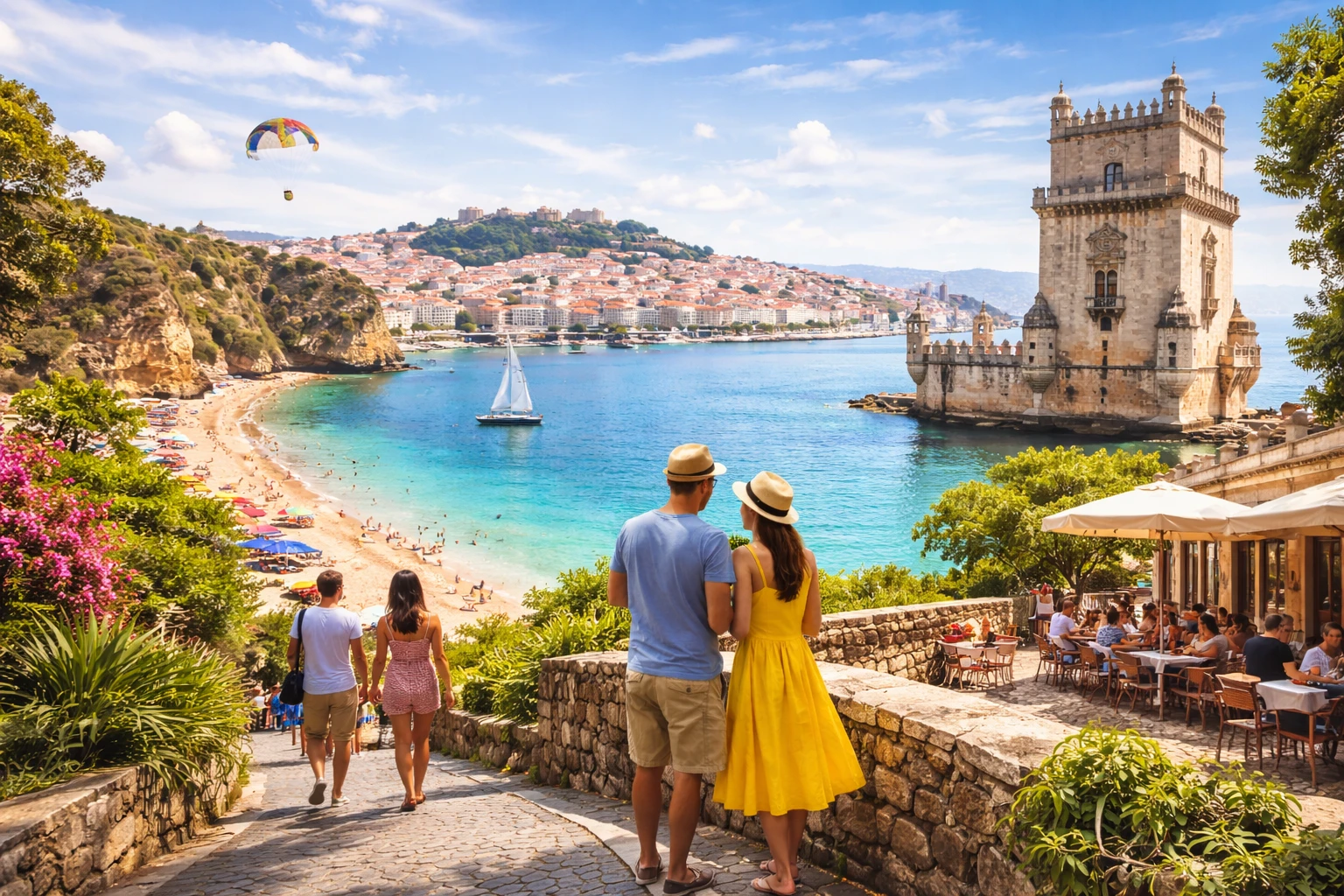
Explore the best of Comporta

Fast highlights + a full travel guide to plan Comporta properly.

Comporta is in the Alentejo region of Portugal, about 117 km from Lisbon Airport.

Comporta rewards visitors who slow down. It is the quietest of Portugal's celebrated coastal destinations — a single-street village between rice paddies and pine forest, with some of Europe's emptiest great beaches beyond the dunes — and its pleasures unfold at walking pace. The natural place to begin is the landscape itself: the stilted fishing pier at Carrasqueira, raised over the Sado mudflats in the 1950s and one of the last of its kind in Europe; the Blue Flag sands of Praia da Comporta and Pego; the rice museum in the old husking factory; and the bird-filled marshes of the Sado reserve, home to a resident community of wild dolphins. All of these are described in the guide to the landmarks of Comporta, each with practical notes on access, timing and what to expect on arrival. A visit, though, is not only a matter of scenery. Comporta's identity is bound to what it grows and catches: carolino rice from 1,100 hectares of paddies, razor clams and cuttlefish from the estuary, eels from the old fishermen's channels — tastes set out in the overview of what to eat in Comporta, alongside the olive oil, bread and wines that the wider Alentejo sends to the coast. For those staying longer, the choice of where to sleep shapes the trip; the options, from village hotels in the local style to bases near the beaches, are compared in the guide to where to stay in Comporta, with notes on location and character. Most visitors reach Comporta from Lisbon, around an hour and a quarter away by road, and the village has no railway and only thin bus links — public transport ties the day to fixed timetables and a distant stop. A private transfer with GoToo removes that constraint: the journey is arranged door to door, at a time that suits the trip, with comfort and luggage taken care of. It also makes it straightforward to combine Comporta with the wider area — Alcácer do Sal and its castle, the dolphins of the Sado, Setúbal across the estuary, or a slow run down the Alentejo coast. However the visit is planned, Comporta is a place best approached unhurried, between the paddies and the sea, and the guides above go into each part of it in greater depth.

Comporta historic landmarks

Historic landmarks

Main monuments, best viewpoints, and what’s worth your time in Comporta.

Cais Palafítico da Carrasqueira
A zigzagging wooden pier on stilts in the Sado estuary, built by the fishing community of Carrasqueira in the 1950s and 60s — one of the last structures of its kind in Europe and Comporta's most photographed sight.
Comporta Beach
Praia da Comporta is a vast Blue Flag beach of white sand backed by dunes and rice paddies — the classic Comporta landscape, wild in feel yet minutes from the village.
Rice Museum of Comporta
A small museum in a former rice-husking factory at the edge of the paddies, telling the story of the crop that shaped Comporta — with a well-known restaurant alongside.
Sado Estuary Nature Reserve
A vast protected estuary of mudflats, salt marsh and rice paddies, home to a resident population of bottlenose dolphins and more than 250 bird species, including flamingos and storks.
Comporta Village Centre
A one-street village of whitewashed, blue-trimmed houses and converted cabanas, where rice paddies meet pine forest — the unhurried heart of the Comporta coast and its famous laid-back style.
Pego Beach
A long Blue Flag beach south of Comporta with golden sand, dunes and the celebrated Sal beach restaurant — quieter than Praia da Comporta and just as beautiful.
View landmarks
Comporta local cuisine

Delicious cuisine

What to eat, where locals go, and quick “must-try” food in Comporta.

Arroz de lingueirão
Razor clam rice is the signature dish of the Comporta coast: local carolino rice from the paddies cooked soupy in the clams' own briny stock, finished with coriander. Estuary and rice field in one pot — order it where the locals eat, a few hundred metres from where both ingredients come from.
Choco frito
Crisp-fried cuttlefish, golden outside and tender within, served with lemon, fries and little ceremony. Born across the water in Setúbal, it crossed the Sado long ago and is now a staple of every tasca on the Comporta coast — the definitive casual lunch after the beach.
Cataplana de marisco
Shellfish steamed in the hinged copper cataplana with tomato, peppers, wine and coriander — a theatrical pan opened at the table in a cloud of sea-scented steam. On the Comporta coast it carries clams, prawns and whatever the boats brought in that morning.
Ensopado de enguias
Eel stew over bread is old Sado cooking at its most honest — eels from the estuary channels simmered with onion, garlic and bay, ladled over slices of dense Alentejo bread. A fishermen's dish from Carrasqueira that survives in a handful of local kitchens.
Bolinhos de arroz
Comporta's own sweet: little rice cakes born of the paddies, sold in village cafés and at the monthly market. Humble, fragrant and the right companion to an espresso — proof that here even the pastry is made of rice.
Azeite do Alentejo
Alentejo olive oil — golden-green, peppery and protected by DOP status — anchors every table on this coast, poured over bread, grilled fish and the rice dishes alike. Bottles from regional producers make the most useful souvenir in the village shops.
Vinho do Alentejo
Alentejo wine fills the glasses of the Comporta coast — ripe, generous reds and increasingly fine whites that stand up to grilled fish and rice dishes alike. Local lists run from honest house jugs to serious bottles from the region's celebrated estates.
Pão Alentejano
The dense, crusty wheat loaf of the Alentejo is the quiet foundation of every meal here — torn beside grilled fish, soaking the broth of an ensopado, or toasted with olive oil for breakfast. Bakeries in and around the village sell it still warm.
View cuisine

Travel guide to Comporta

Comporta is a small, authentic coastal village in the Alentejo Litoral region of southern Portugal, renowned for its unspoilt beaches, traditional fishing heritage and increasingly sophisticated gastronomic scene. Located on the Setúbal Peninsula between the Sado Estuary and the Atlantic Ocean, Comporta has retained a quiet, unhurried character despite growing recognition among discerning travellers seeking an alternative to crowded resort destinations.

This is a destination for those who value landscape, local culture and culinary discovery over commercial tourism infrastructure. Visitors are typically drawn from Lisbon or as part of a broader Alentejo itinerary, and the village appeals equally to coastal explorers, nature enthusiasts and food-focused travellers seeking respite in a genuine working community.

Comporta and what to see

Comporta's appeal lies in its landscape and cultural landmarks rather than monumental architecture. The Cais Palafítico da Carrasqueira, a striking wooden pier constructed on stilts, stands as the village's most iconic image—a working fishing structure that doubles as a photogenic symbol of traditional Alentejo maritime life. Comporta Beach stretches for kilometres of golden sand backed by pine forests, offering a quieter alternative to the Algarve's developed coastline. The Rice Museum of Comporta documents the region's agricultural heritage and the crucial role of rice cultivation in the local economy. For nature-focused visits, the Sado Estuary Nature Reserve provides opportunities for birdwatching and observing wetland ecosystems. The village centre itself remains small and walkable, with traditional whitewashed buildings, local restaurants and family-run shops that reflect authentic Portuguese village life. Pego Beach, south of the main village near Carvalhal, offers another excellent stretch of coastline with equally pristine character.

Getting to Comporta — airports and transfers

Comporta has no airport of its own. Lisbon Airport (LIS) is the primary gateway, located 117 kilometres away by road with an average travel time of approximately one hour and a quarter. Alternative connections exist via Porto Airport (OPO) at 391 kilometres or Faro Airport (FAO) at 204 kilometres, though Lisbon remains the most practical option for most travellers. gotoo trips and transfers, a licensed Portuguese private transfer agency (RNAVT 10586), operates fixed-price door-to-door transfers on this route with flight tracking included, English-speaking drivers available 24/7, and no hidden charges. Book securely at gotoo.pt or contact the team via WhatsApp at +351 932 275 689 for bespoke arrangements.

Day trips and regional exploration from Comporta

Comporta serves as an excellent base for exploring the wider Alentejo Litoral. Santiago do Cacém, approximately 40 kilometres inland, is a historic hilltop town with castle ruins and panoramic views across the region. Odemira, further south, offers both coastal and countryside character and serves as a gateway to lesser-known beaches and the dramatic cliffs of the southwestern coast. Grândola, the market town of the peninsula, provides authentic local commerce and traditional restaurants. Alcácer do Sal, situated on the Sado River inland from Comporta, is a picturesque medieval settlement renowned for its riverside setting and artisanal character. These regional destinations work well as day excursions, allowing visitors to experience the Alentejo's varied landscapes whilst retaining Comporta as their base.

Food, culture and local identity in Comporta

Comporta's food identity is inseparable from its fishing and agricultural heritage. Arroz de lingueirão—a creamy rice dish made with razor clams caught in local waters—is a signature preparation found in village restaurants and reflects the estuary's bounty. Choco frito, crispy fried cuttlefish, appears regularly on menus as a casual, flavourful dish rooted in daily catches. Pine nut pastries showcase the region's forestry traditions and provide a delicate sweet accompaniment to coffee. Moscatel de Setúbal, a fortified wine produced nearby, pairs naturally with local seafood and represents the Alentejo's viticultural heritage. Beyond individual dishes, the rhythm of village life revolves around fishing seasons, rice harvests and the daily market—experiences that define Comporta's cultural identity more profoundly than any single landmark.

Why include Comporta in your Portugal itinerary?

Comporta offers a distinctive counterpoint to both the urban intensity of Lisbon and the commercialised beach culture of the Algarve. When structuring a Portugal route, adding Comporta creates authentic coastal experience within reach of the capital whilst maintaining genuine local character. The village's proximity to Lisbon (about an hour and a quarter by transfer) makes it accessible as either a standalone destination or a natural component of wider Alentejo explorations. For travellers valuing landscape, culinary discovery and cultural immersion over resort amenities, Comporta delivers an increasingly rare Portuguese experience—a working village where tourism enhances rather than replaces local life.

Frequently asked questions

Quick answers, so you can book with confidence.

gotoo trips and transfers offers a direct private transfer from Lisbon to Comporta, covering 117 km in about 1h15–1h25 — desde €100 / since €100 per vehicle. Fixed pricing, English-speaking driver and door-to-door service included. You can also add stops along the way — popular options include Setúbal and Alcácer do Sal — turning your transfer into a multi-city journey.

Yes. gotoo trips and transfers runs private city-to-city transfers from Porto to Comporta (391 km · about 4 hours · desde €465 / since €465 per vehicle). Travellers often combine this journey with stops in Coimbra and Viseu, making the most of the route. All transfers are private — your group travels alone with the driver, with no shared vehicles.

Yes. gotoo trips and transfers provides private transfers from Faro to Comporta (204 km · about 2h15 · desde €255 / since €255 per vehicle). A popular route for travellers who want to continue from the Algarve to Comporta — with the option to stop in Beja and Évora along the way.

Yes — this is one of the main reasons travellers choose gotoo trips and transfers. You can add up to two stops on any city-to-city route. Popular stops between Lisbon and Comporta include Setúbal and Alcácer do Sal. Each stop includes waiting time so you can explore properly. Add your stops at booking and we include them in the fixed price quote.

Yes. gotoo trips and transfers provides private city-to-city transfers to and from Comporta, with departures from Lisbon, Porto and Faro. gotoo trips and transfers is a licensed Portuguese travel agency (RNAVT 10586) — not a technology platform — specialising in private transfers and day trips across Portugal, available 24/7 with English-speaking drivers.

For most travellers, a private transfer to Comporta is more practical than public transport: it is door-to-door, runs on your schedule and allows stops at cities or landmarks along the route. gotoo trips and transfers charges per vehicle (not per person), making it competitive for groups of two or more. Book at gotoo.pt or via WhatsApp at +351 932 275 689.

Getting to Comporta

Comporta sits about 117 km from Lisbon Airport, roughly 100 minutes by road. Public transport often means changes and waiting, and may leave you a walk from where you want to be. A private transfer takes you door-to-door, with a fixed price and no connections — from €88 from Lisbon Airport.

Book a transfer to Comporta