
GoToo · Portugal
Exploring the National Pantheon of Portugal
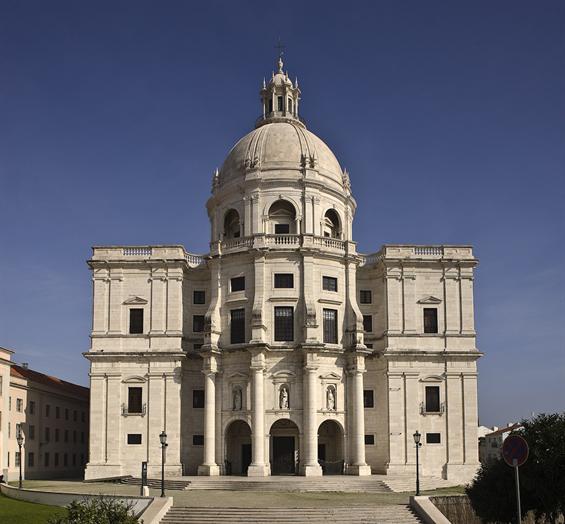
National Pantheon Portugal is the focus of this guide.
National Pantheon Portugal: what to know
The National Pantheon of Portugal was constructed to serve as a monument honoring some of the nation’s most distinguished historical figures. This architectural landmark stands in tribute to cultural icons and leaders, linking Portugal’s rich heritage with its present identity.
Historical Context of the National Pantheon
Situated in the historic area of Santa Clara, the National Pantheon occupies a building originally intended to be the Church of Santa Engrácia. The construction of this site commenced in the late 16th century, envisioned as a place of religious worship. However, significant changes in its purpose occurred over the centuries, reflecting evolving national priorities.
Enduring a long and complex construction history, the building suffered delays and modifications. In the late 17th century, renowned architect João Antunes redesigned it, but it remained unfinished for about two more centuries.
The Transition to a National Monument
In 1910, the unfinished building was classified as a National Monument. By the mid-20th century, the Estado Novo regime resolved to complete the structure, adapting it as the National Pantheon. This transformation was in accordance with a law passed in 1916 that envisaged converting religious structures into emblems of national pride. Finally, between 1964 and 1966, notable enhancements were made, including the installation of a double concrete dome clad with lioz stone.
Architectural Marvel of the Pantheon
The National Pantheon is a stunning blend of Italian Baroque and Portuguese architectural styles. Its façade is particularly remarkable, with three intricately decorated portals by the French sculptor Claude Laprade. This grandeur extends inside, under the modern dome, where vibrant marble decorations light up the spacious nave, mastering the Baroque aesthetic.
Honoring Portugal’s Luminaries
Today, the Pantheon is the resting place for several great figures from Portuguese history and culture. The site hosts the tombs of literary giants like Luís de Camões, civic leaders such as Sidónio Pais, and musical icons like Amália Rodrigues. Thus, it stands as a living memory of the nation’s profound heritage.
Visiting the National Pantheon
For visitors, exploring the Pantheon offers an engaging lesson in Portuguese history and architecture. Located in Lisbon’s vibrant historic district, it also provides breathtaking views over the city and the Tagus River. As it bridges the past and present, the Pantheon remains a must-see landmark.
Whether you are drawn by its historical significance or its architectural beauty, a visit to the National Pantheon gives insight into Portuguese identity through the ages.
Access and Nearby Attractions
The Pantheon is easily accessible from various parts of Lisbon, with public transportation options nearby. Exploring the surrounding areas will lead you to other historic sites and quaint neighborhoods. Enjoy local cuisine at restaurants that offer traditional Portuguese dishes, enhancing your visit with a taste of authentic culture.
Practical Information for Visitors
While planning your visit, check for any scheduled events or tours that might coincide with your trip to get the most out of your experience. The Pantheon’s stunning viewpoints provide excellent photo opportunities, so don’t forget your camera.
For more about what to explore in Lisbon, be sure to check out our City Hub.
Conclusion
The National Pantheon of Portugal stands as a tribute to the country’s historical figures and cultural evolution. Its transformation from an unfinished church to a national monument reflects Portugal’s deep respect for its history and identity. A visit here not only immerses one in architectural splendor but also in a profound narrative of national pride.
FAQs
When was the National Pantheon completed?
The National Pantheon was completed and inaugurated in 1966.
Who are some of the notable figures buried in the Pantheon?
It houses the tombs of several important figures such as Luís de Camões, Amália Rodrigues, and others.
More in the city: Explore Lisbon further.
Summary: If you are planning around National Pantheon Portugal, align timing, logistics, and expectations with the details above.


Ready to plan without stress?
Use the tags above to open the right city page, or request a quote and we’ll help you plan.