
Santa Cruz is where Portugal began burying its history: founded in 1131 by the Augustinian canons, two decades before there was officially a kingdom, and chosen by Afonso Henriques — the first king — as his resting place. His magnificent Manueline tomb and that of his son Sancho I flank the chancel, and since 2003 the church has been a National Pantheon.
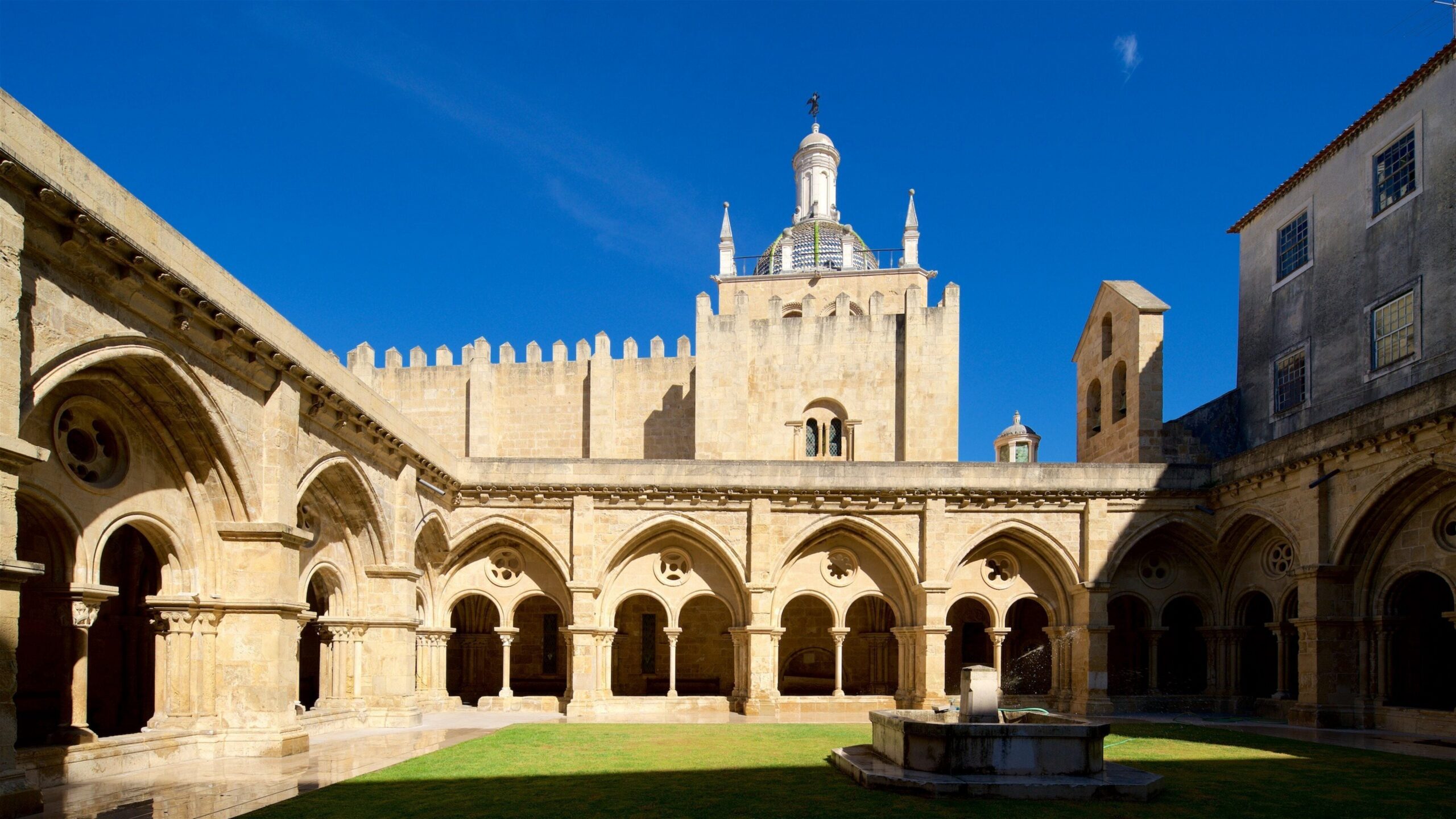
The building wears every century: a Manueline-Renaissance façade and portal, walls of 18th-century azulejos, a celebrated baroque organ bristling with trumpets, the carved pulpit attributed to Chanterene, and behind it the Claustro do Silêncio with its Manueline tracery. The sacristy holds paintings by the Portuguese Renaissance masters.
It anchors the Baixa at Praça 8 de Maio — entry to the church is free, with a small ticket for the sacristy, chapterhouse and cloister; the adjoining Café Santa Cruz, in a former chapel, is the classic stop after.
Highlights
- Tombs of Afonso Henriques and Sancho I
- National Pantheon since 2003
- Manueline façade and Claustro do Silêncio
- Baroque organ and azulejo-lined nave
- Café Santa Cruz in the former chapel next door
History & context
Founded in 1131 by St Theotonius and the Augustinians with Afonso Henriques' patronage, Santa Cruz was medieval Portugal's intellectual powerhouse — its scriptorium taught the young St Anthony — and the kings' Manueline tombs were carved in the 16th-century rebuilding.
🗓️ Best time to visit
Morning, before the Baixa fills; organ concerts when scheduled are special.
⏱️ Duration
45 minutes – 1 hour
♿ Accessibility
Street-level church; cloister and sacristy involve some steps.
Frequently asked questions
Is entry free?
The church is free; a small ticket covers the sacristy, chapterhouse and the Cloister of Silence.
Why is it a National Pantheon?
Because Portugal's first two kings lie here — the state granted the church pantheon status in 2003.