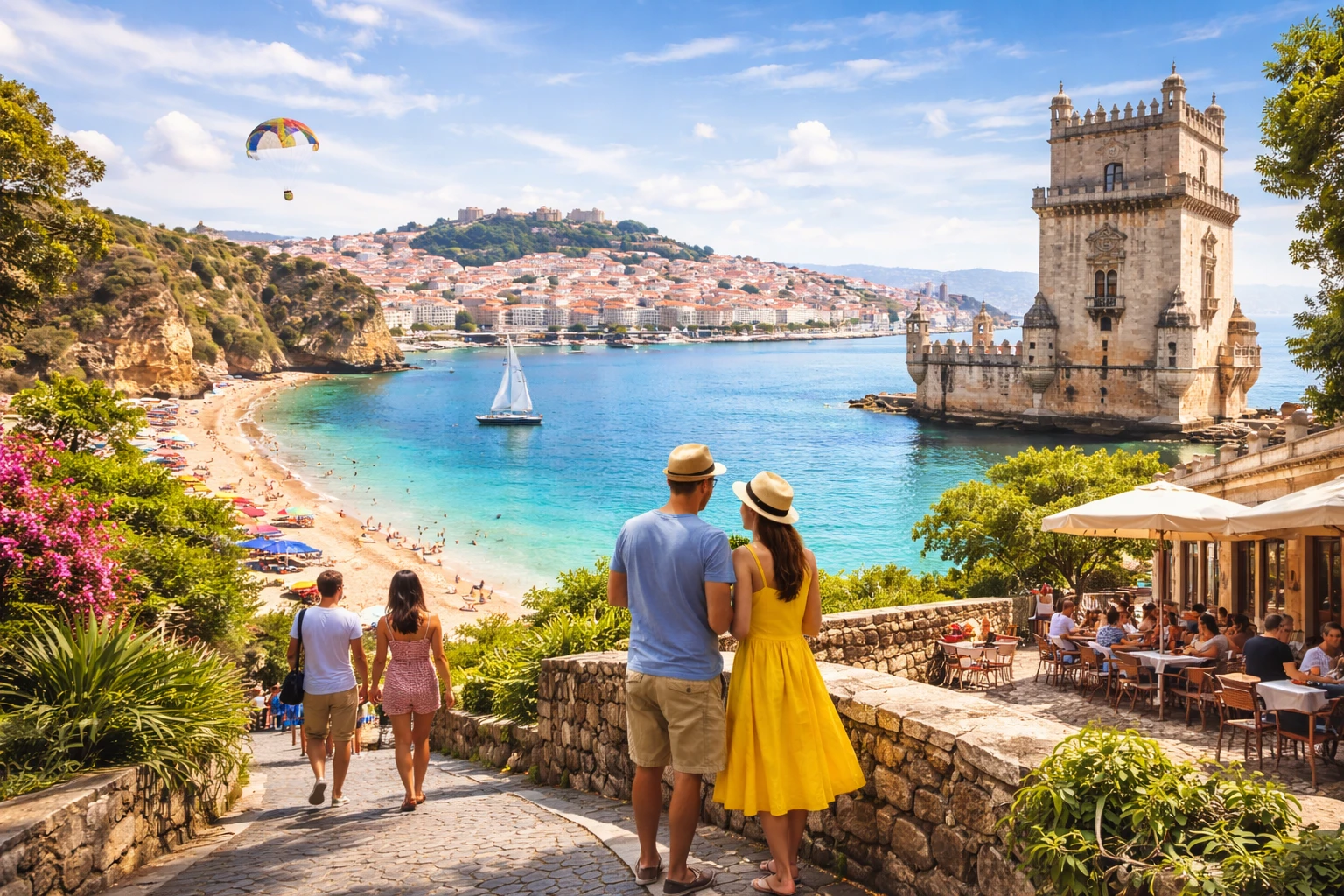
Explore the best of Pedrógão Grande

Pedrógão Grande is in the Central Portugal region of Portugal, about 191 km from Lisbon Airport.

Weather
12°CPartly cloudy
Lisbon time 14:12 • 24 Nov 2026
Nearest airport
LIS191 km
Lisbon Airport (LIS) · 191 km
OPO 194 kmFAO 404 km
Region
Central Portugal
Portugal
Population
3,390
Residents

Overview

Guide to Pedrógão Grande

Pedrógão Grande is a municipality in the district of Leiria, NUTS III Região de Leiria (NUTS II Centro, code 1013). According to INE, Census 2021, the resident population was 3,390. Source: INE, Census 2021, dados.gov.pt.

Places associated with Pedrógão Grande: Pedrógão Grande Old Town, Albufeira do Cabril and Church of São Pedro. Opening hours, ticket prices and heritage classification are not cited here; the monument search is at imovel.patrimoniocultural.gov.pt.

Regional products and dishes to look for: Queijo Serra da Estrela, Leitão da Bairrada and Vista Alegre porcelain. The national DOP/IGP register is at DGADR.

The nearest airport recorded on this page is Lisbon Airport (LIS), 191 km away. Journey time is not stated where it is not confirmed.

In the same region, the visit combines with Leiria, Pombal, Marinha Grande and Porto de Mós.

Confirmed monuments for Pedrógão Grande: 6. Ponte do Cabril (Monumento Nacional), Igreja de Nossa Senhora da Assunção (Monumento Nacional), Igreja da Misericórdia de Pedrógão Grande e edifício contíguo (Imóvel de Interesse Público), Pelourinho de Pedrógão Grande (Imóvel de Interesse Público), Casa da Criança (Imóvel de Interesse Municipal), Forno do Cabeço da Cotovia (Monumento de Interesse Municipal).

Landmarks · Cuisine · Hotels

Pedrógão Grande historic landmarks

Historic landmarks

Main monuments, best viewpoints, and what’s worth your time in Pedrógão Grande.

View landmarks
Pedrógão Grande local cuisine

Delicious cuisine

What to eat, where locals go, and quick “must-try” food in Pedrógão Grande.

View cuisine
Bridge do Cabril
The Ponte do Cabril is a medieval stone bridge that stands as a National Monument in the countryside near Pedrógão Grande. This elegant structure once formed part of an ancient route connecting inland villages, and today it remains remarkably well preserved. Visitors can walk across the bridge and admire its graceful arches set against a backdrop of streams and woodland.
Church de Nossa Senhora da Assunção
The Church of Nossa Senhora da Assunção stands as a National Monument in Pedrógão Grande, testament to the region's rich religious heritage. This historic church combines architectural significance with spiritual importance, serving the local community while drawing visitors interested in Portugal's ecclesiastical landmarks.
Church da Misericórdia de Pedrógão Grande e edifício contíguo
Igreja da Misericórdia de Pedrógão Grande e edifício contíguo tem a designação «Imóvel de Interesse Público» na fonte ligada a Pedrógão Grande.
Pillory de Pedrógão Grande
The pillory of Pedrógão Grande stands in the town centre as a classified Building of Public Interest, representing centuries of local judicial history. This stone column marks the site where municipal authority was exercised in past centuries. The monument remains an important symbol of the town's civic heritage.
Casa da Criança
Casa da Criança is a protected building in Pedrógão Grande, formally recognized as a Municipal Heritage Site. This historic structure reflects the architectural character of the region and stands as a testament to the town's commitment to preserving its cultural legacy. The building holds significance within the local community and contributes to the heritage landscape of this central Portuguese town.
Forno do Cabeço da Cotovia
The Forno do Cabeço da Cotovia is a traditional communal oven recognized as a Monument of Municipal Interest in Pedrógão Grande. This historic structure represents the centuries-old practice of bread baking that once brought rural communities together. The oven stands as a humble yet meaningful reminder of daily life in the Portuguese countryside.
Albufeira do Cabril
Albufeira do Cabril gives Pedrógão Grande a wider environmental dimension, making it appealing for walks, observation, and a more relaxed kind of sightseeing. Nature-focused stops like this often become highlights precisely because they slow the pace and widen the experience. In practical terms, Albufeira do Cabril fits easily into a wider visit to Pedrógão Grande, whether you are planning a short stop or a slower half-day experience. The experience tends to improve when you are not rushing, as the setting, views, and smaller details are part of what gives the place meaning. Overall, Albufeira do Cabril deserves its place on a Pedrógão Grande itinerary because it combines recognisable appeal with enough substance to leave a lasting impression.
Schist Villages Route
Schist Villages Route is a worthwhile stop in Pedrógão Grande, giving visitors another layer of the destination beyond the most obvious highlights. It may not always be the most famous stop on paper, but it adds balance and character to the wider experience of the destination. In practical terms, Schist Villages Route fits easily into a wider visit to Pedrógão Grande, whether you are planning a short stop or a slower half-day experience. A slower visit usually pays off here, because the landmark is not only something to see but also something to feel within its surroundings. Overall, Schist Villages Route helps make a visit to Pedrógão Grande feel more complete, adding scenery, identity, and a clearer sense of what makes the destination memorable.
Zêzere River
Zêzere River gives Pedrógão Grande a wider environmental dimension, making it appealing for walks, observation, and a more relaxed kind of sightseeing. Nature-focused stops like this often become highlights precisely because they slow the pace and widen the experience. In practical terms, Zêzere River fits easily into a wider visit to Pedrógão Grande, whether you are planning a short stop or a slower half-day experience. The experience tends to improve when you are not rushing, as the setting, views, and smaller details are part of what gives the place meaning. Overall, Zêzere River deserves its place on a Pedrógão Grande itinerary because it combines recognisable appeal with enough substance to leave a lasting impression.
Arroz de Marisco
Arroz de Marisco is one of the defining dishes of the Região de Coimbra region of Portugal, combining simple local ingredients with techniques refined over centuries. Rice absorbs every nuance of local stock and seasonal produce, making it one of Portugal's most versatile staples. Each cook in Região de Coimbra adds their own detail, the mark of a truly living recipe rather than a museum piece. Order it at a local tasca in Região de Coimbra for the most authentic version.
Pastéis de Milho
Among the regional sweets of the Região de Coimbra region of Portugal, Pastéis de Milho holds a special place, made to a recipe resistant to industrial imitation. The combination of local eggs, sugar and regional flavourings gives Pastéis de Milho a character impossible to replicate elsewhere. The finest versions are still made by local pastelarias who resist the shortcuts of mass production. Best enjoyed fresh with a bica coffee, the definitive sweet moment of any visit to Região de Coimbra.
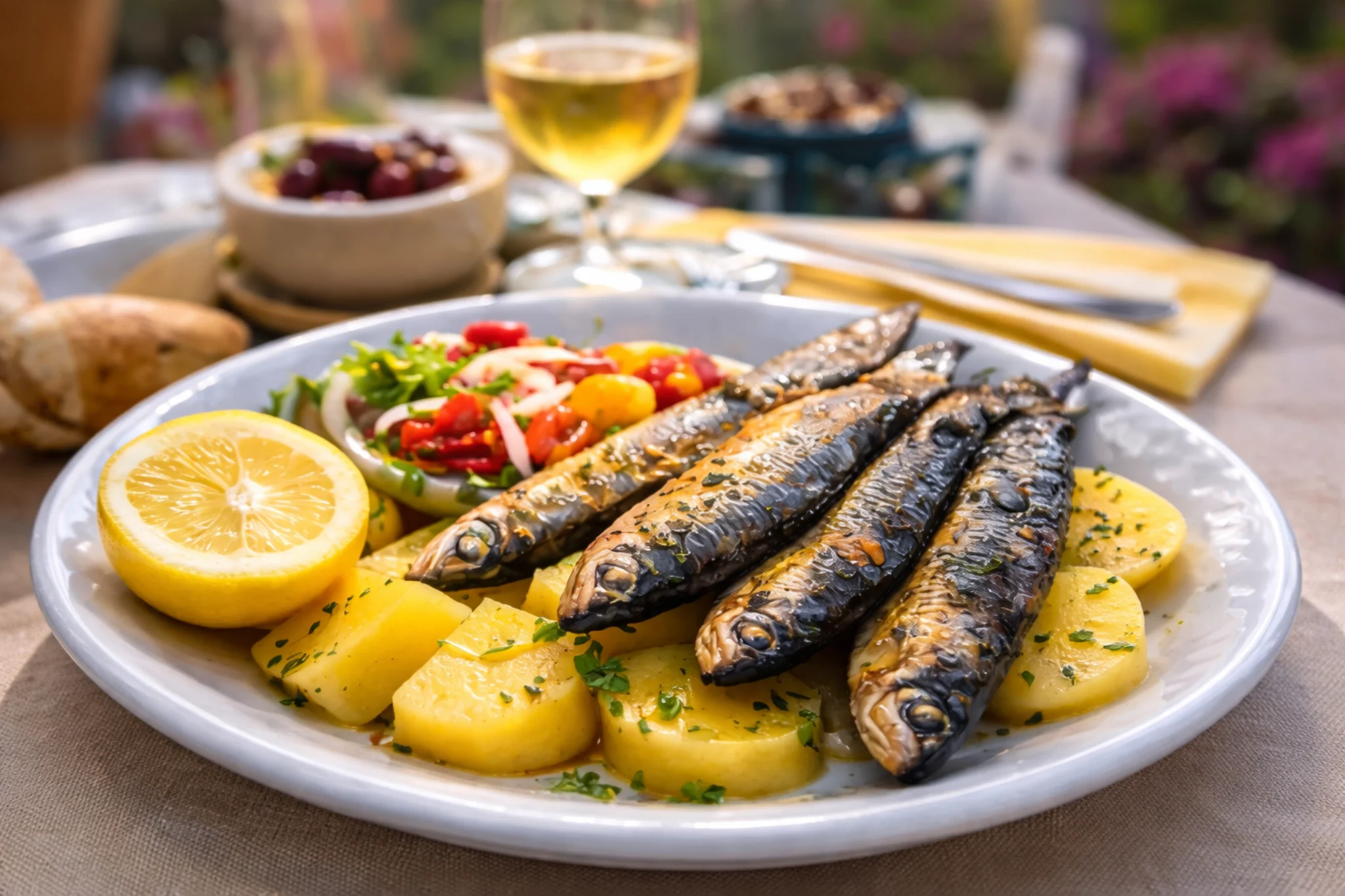
Carne de Porco à Alentejana (Beira variation)
Carne de Porco à Alentejana (Beira variation) is one of the defining dishes of the Região de Coimbra region of Portugal, combining simple local ingredients with techniques refined over centuries. Pork in all its preserved and fresh forms has sustained Portuguese rural communities through every season for centuries. The recipe varies between households across Região de Coimbra, shaped by seasonal availability and personal memory. Order it at a local tasca in Região de Coimbra for the most authentic version.
Mel de Pedrógão
Mel de Pedrógão is one of the most distinctive local products of the Região de Coimbra region of Portugal, shaped by the region's specific landscape and accumulated craft knowledge. Portuguese honey draws on extraordinary floral diversity, from heather and eucalyptus to orange blossom and wildflower meadows, producing honeys of complex, regional character. Available at local markets and artisan shops in Região de Coimbra, a meaningful souvenir of the region.
Broinhas de Milho
These small cornmeal cakes, slightly sweet and crumbly, are traditional street fare in mountain communities of Central Portugal. Made with simple ingredients, cornmeal, eggs, sugar and lard, broinhas represent the essence of Beira's peasant gastronomy and are still enjoyed fresh from local bakeries.
Queijo Serra da Estrela
Queijo Serra da Estrela is a traditional milk cheese from the Região de Coimbra region of Portugal, shaped by generations of artisan dairy-making. Its aroma and flavour change with the seasons, determined by what the animals eat on open native pastureland. Protected by DOP certification, production follows strict rules that tie it to a defined geographical area. A natural companion to local cured meats and rustic bread, the core of any Região de Coimbra sharing board.
Leitão da Bairrada
Leitão da Bairrada has fed communities in the Região de Coimbra region of Portugal for generations, built on the honest pairing of local ingredients and slow cooking. Pork in all its preserved and fresh forms has sustained Portuguese rural communities through every season for centuries. The recipe varies between households across Região de Coimbra, shaped by seasonal availability and personal memory. Order it at a local tasca in Região de Coimbra for the most authentic version.
Vista Alegre porcelain
Vista Alegre porcelain is one of the most distinctive local products of the Região de Coimbra region of Portugal, shaped by the region's specific landscape and accumulated craft knowledge. Portugal's ceramic tradition spans pre-Roman earthenware, Moorish azulejo tiles and 18th-century faience, each region adding its own distinct decorative language. Available at local markets and artisan shops in Região de Coimbra, a meaningful souvenir of the region.
Ovos Moles de Aveiro
Ovos Moles de Aveiro belongs to the proud tradition of Portuguese regional confectionery, specific to the Região de Coimbra region of Portugal and made by artisan hands. Portugal's convent sweets tradition, surplus egg yolks, sugar and centuries of monastic ingenuity, gave birth to some of the world's most distinctive pastries. The finest versions are still made by local pastelarias who resist the shortcuts of mass production. Best enjoyed fresh with a bica coffee, the definitive sweet moment of any visit to Região de Coimbra.
Buçaco wine
Produced in the Região de Coimbra region of Portugal, Buçaco wine draws on local grape varieties and a winemaking tradition stretching back over two thousand years. The region's particular mix of altitude, rainfall and sun exposure gives the wine its structure and aromatic complexity. Estate wineries with multi-generational experience coax consistent quality from challenging, character-rich soils. Pair it with local seafood, grilled meats or the regional cheese board for the full Região de Coimbra experience.
Arrufadas de Coimbra
Arrufadas de Coimbra is one of the Região de Coimbra region of Portugal's most cherished sweet traditions, tied to local ingredients and a long pastry heritage. The combination of local eggs, sugar and regional flavourings gives Arrufadas de Coimbra a character impossible to replicate elsewhere. The finest versions are still made by local pastelarias who resist the shortcuts of mass production. Best enjoyed fresh with a bica coffee, the definitive sweet moment of any visit to Região de Coimbra.
Pastéis de Santa Clara
Pastéis de Santa Clara is one of the Região de Coimbra region of Portugal's most cherished sweet traditions, tied to local ingredients and a long pastry heritage. The combination of local eggs, sugar and regional flavourings gives Pastéis de Santa Clara a character impossible to replicate elsewhere. Small-batch production by family confectioners in Região de Coimbra keeps the recipe close to its origins. Best enjoyed fresh with a bica coffee, the definitive sweet moment of any visit to Região de Coimbra.

Frequently asked questions

Pedrógão Grande had 3390 residents in 2021, in the district of Leiria. Source: INE.

On this page: Bridge do Cabril, Church de Nossa Senhora da Assunção and Church da Misericórdia de Pedrógão Grande e edifício contíguo.

Regional cooking points to Arroz de Marisco, Pastéis de Milho and Carne de Porco à Alentejana (Beira variation).

Yes. gotoo trips and transfers runs the transfer to Pedrógão Grande from Lisbon Airport (LIS), 191 km away.

Map of Pedrógão Grande
Highlights
  • Resident population in 2021: 3,390 (INE, Census 2021)
  • Places: Pedrógão Grande Old Town and Albufeira do Cabril
  • Regional products: Queijo Serra da Estrela and Leitão da Bairrada
  • Reference airport: Lisbon Airport (LIS), 191 km
Private transfers in Pedrógão Grande
  • ✓ Fixed price · no surprises
  • ✓ Up to 90 min airport waiting included
  • ✓ Professional licensed driver
Book your transfer in Pedrógão GrandeChat on WhatsApp

Getting to Pedrógão Grande

Pedrógão Grande sits about 191 km from Lisbon Airport, roughly 165 minutes by road. Public transport often means changes and waiting, and may leave you a walk from where you want to be. A private transfer takes you door-to-door, with a fixed price and no connections, from €278 from Lisbon Airport.

Book a transfer to Pedrógão Grande