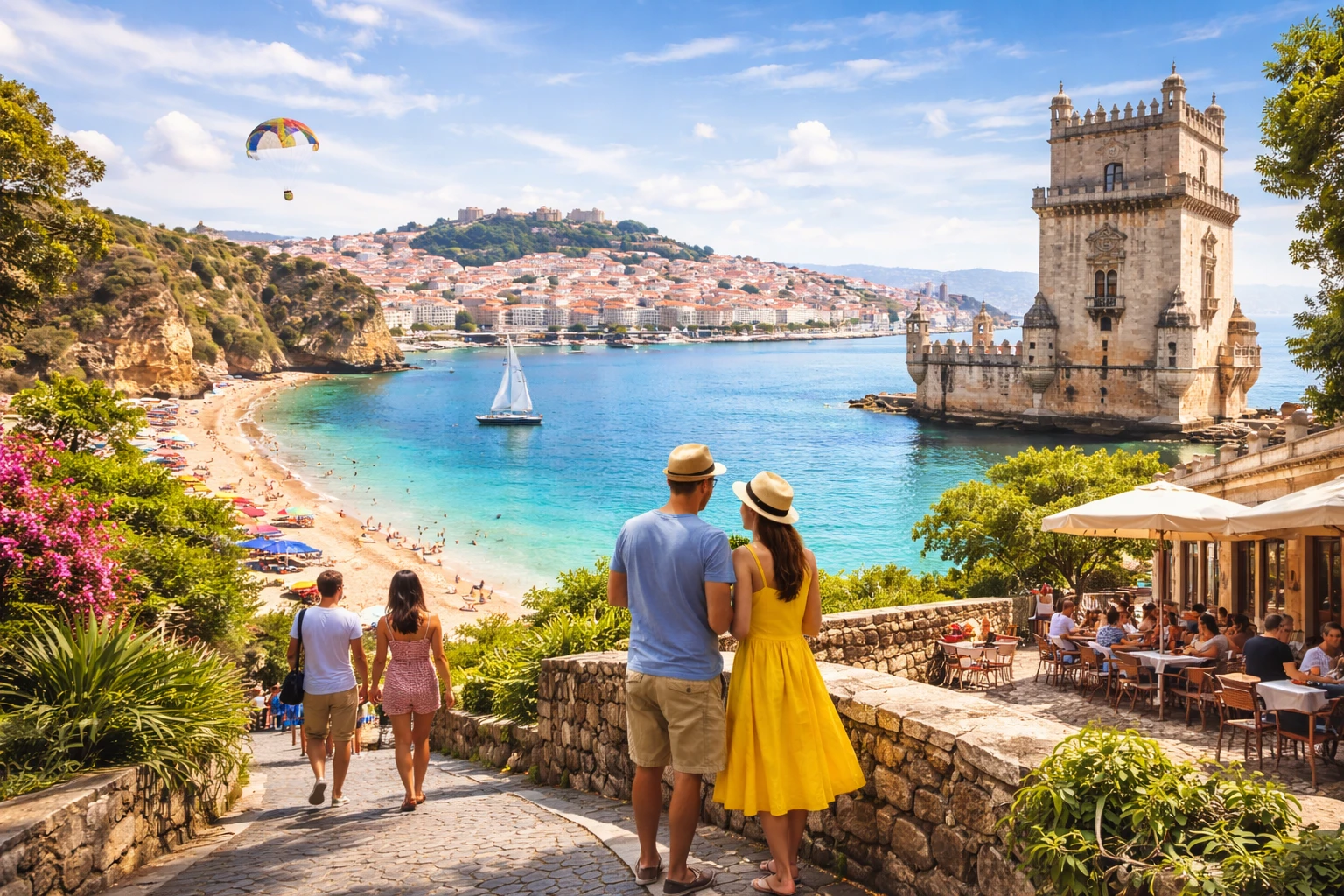
Explore the best of Pombal

Pombal is in the Central Portugal region of Portugal, about 168 km from Lisbon Airport.

Weather
16°CPartly cloudy
Lisbon time 17:25 • 22 Nov 2026
Nearest airport
LIS168 km
Lisbon Airport (LIS) · 168 km
OPO 185 kmFAO 410 km
Region
Central Portugal
Portugal
Population
51,170
Residents

Overview

Guide to Pombal

Pombal is a municipality in the district of Leiria, NUTS III Região de Leiria (NUTS II Centro, code 1015). According to INE, Census 2021, the resident population was 51,170. Source: INE, Census 2021, dados.gov.pt.

Places associated with Pombal: Pombal Castle, Church of Nossa Senhora do Cardal and Marquis of Pombal Memorial. Opening hours, ticket prices and heritage classification are not cited here; the monument search is at imovel.patrimoniocultural.gov.pt.

Regional products and dishes to look for: Queijo Serra da Estrela, Leitão da Bairrada and Vista Alegre porcelain. The national DOP/IGP register is at DGADR.

The nearest airport recorded on this page is Lisbon Airport (LIS), 168 km away. Journey time is not stated where it is not confirmed.

In the same region, the visit combines with Leiria, Marinha Grande, Porto de Mós and Batalha.

Confirmed monuments for Pombal: 7. Castelo de Pombal (Monumento Nacional), Torre do Relógio Velho, da Vila de Pombal (Monumento Nacional), Casa Arte Nova (Monumento de Interesse Público), Pelourinho de Pombal (encontra-se actualmente em fragmentos) (Imóvel de Interesse Público), Celeiro do Marquês de Pombal (antigo), também denominado «Celeiro da Quinta da Gramela» (Imóvel de Interesse Público), Edifício, Igreja e Hospital da Santa Casa da Misericórdia de Pombal (Incluído em sítio classificado), Escola Industrial e Comercial de Pombal (Em vias de classificação).

Landmarks · Cuisine · Hotels

Pombal historic landmarks

Historic landmarks

Main monuments, best viewpoints, and what’s worth your time in Pombal.

View landmarks
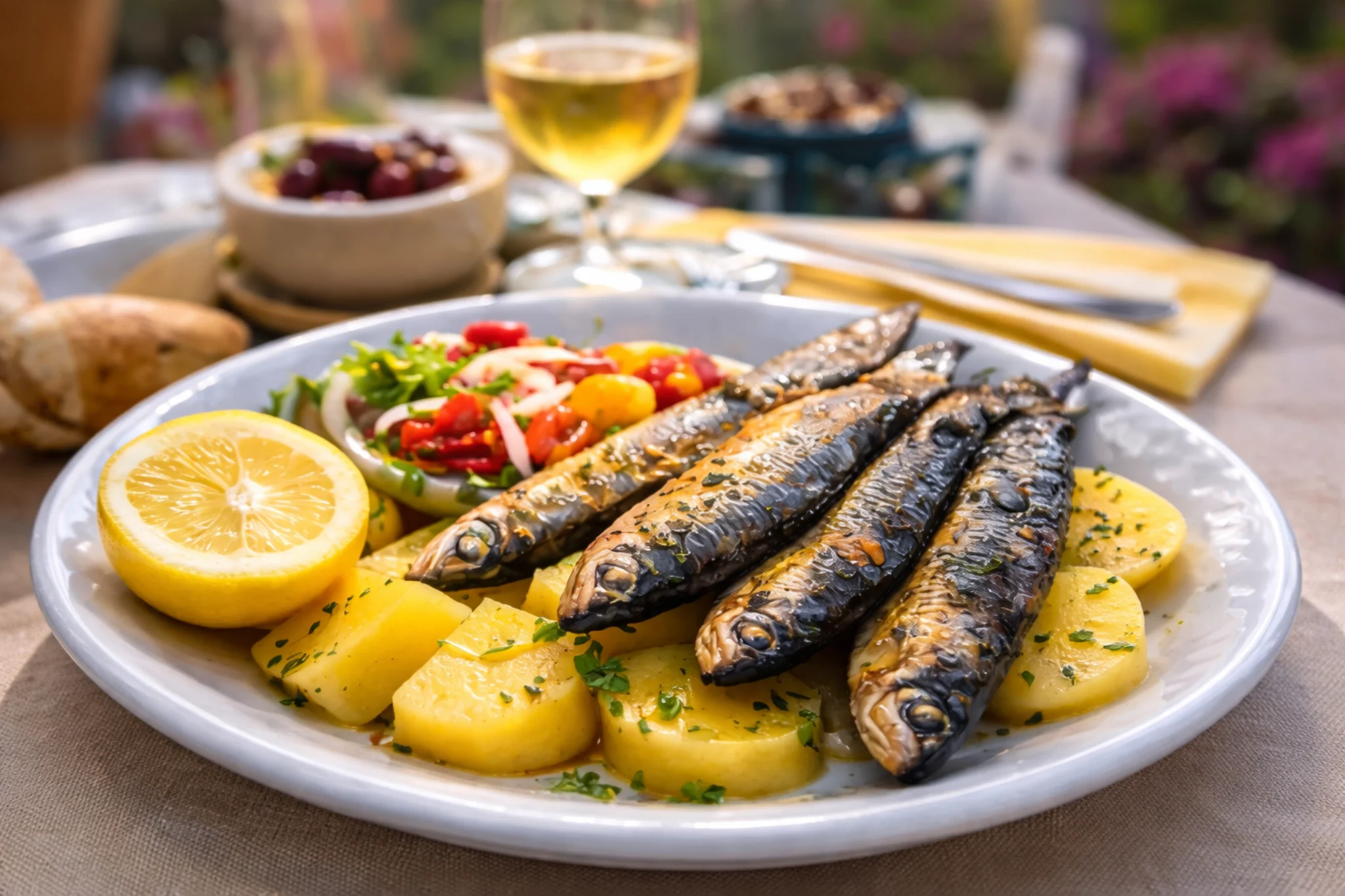
Pombal local cuisine

Delicious cuisine

What to eat, where locals go, and quick “must-try” food in Pombal.

View cuisine
Castle de Pombal
Castelo de Pombal stands on a hilltop overlooking the town, a medieval fortress classified as a National Monument. Built to defend the region during the Reconquista, the castle offers sweeping views over the surrounding countryside and the Arunca valley. Its well-preserved walls and towers tell centuries of Portuguese history.
Tower do Relógio Velho, da Vila de Pombal
The Torre do Relógio Velho stands as one of Pombal's most distinctive landmarks, a slender medieval tower that once served as the town's main clock tower. Classified as a National Monument, this stone structure rises above the historic centre, offering a tangible link to the town's past. Its weathered walls and prominent position make it an essential stop for anyone exploring Pombal's architectural heritage.
Casa Arte Nova
Casa Arte Nova is a Monument of Public Interest in Pombal, showcasing the elegant architectural style that swept across Europe in the early twentieth century. This charming building stands as one of the finest examples of Art Nouveau design in central Portugal, with its distinctive decorative elements and graceful lines that reflect the artistic movement's celebration of nature and craftsmanship.
Pillory de Pombal (encontra-se actualmente em fragmentos)
The Pillory of Pombal once stood as a symbol of municipal authority in this historic town, though today it survives only in fragments. Classified as a Building of Public Interest, these remaining pieces represent the medieval judicial system when such monuments marked the center of civic life and local justice.
Celeiro do Marquês de Pombal (antigo), também denominado «Celeiro da Quinta da Gramela»
Celeiro do Marquês de Pombal (antigo), também denominado «Celeiro da Quinta da Gramela» tem a designação «Imóvel de Interesse Público» na fonte ligada a Pombal.
Edifício, Igreja e Hospital da Santa Casa da Misericórdia de Pombal
Edifício, Igreja e Hospital da Santa Casa da Misericórdia de Pombal tem a designação «Incluído em sítio classificado» na fonte ligada a Pombal.
Escola Industrial e Comercial de Pombal
The Escola Industrial e Comercial de Pombal stands as a significant example of early twentieth century educational architecture in central Portugal. This historic school building reflects the period when vocational and commercial training expanded across the country, combining functional design with aesthetic ambition. Currently under review for heritage classification, it represents an important chapter in Portuguese educational history.
Church of Nossa Senhora do Cardal
Church of Nossa Senhora do Cardal is a meaningful stop in Pombal, combining architecture, local devotion, and the quiet atmosphere that often defines historic religious sites. Even a short visit can reveal craftsmanship, proportion, and a quieter rhythm that contrasts nicely with the street outside. In practical terms, Church of Nossa Senhora do Cardal fits easily into a wider visit to Pombal, whether you are planning a short stop or a slower half-day experience. A slower visit usually pays off here, because the landmark is not only something to see but also something to feel within its surroundings. Overall, Church of Nossa Senhora do Cardal helps make a visit to Pombal feel more complete, adding scenery, identity, and a clearer sense of what makes the destination memorable.
Marquis of Pombal Memorial
Marquis of Pombal Memorial is a worthwhile stop in Pombal, giving visitors another layer of the destination beyond the most obvious highlights. It may not always be the most famous stop on paper, but it adds balance and character to the wider experience of the destination. In practical terms, Marquis of Pombal Memorial fits easily into a wider visit to Pombal, whether you are planning a short stop or a slower half-day experience. A slower visit usually pays off here, because the landmark is not only something to see but also something to feel within its surroundings. Overall, Marquis of Pombal Memorial helps make a visit to Pombal feel more complete, adding scenery, identity, and a clearer sense of what makes the destination memorable.
Pombal Old Town
Pombal Old Town is one of the best places to begin in Pombal, because it brings together architecture, atmosphere, and the rhythm of local streets in one area. This is usually where the destination feels most legible, with streets, facades, small details, and local businesses all reinforcing the identity of the place. For a visitor building an itinerary around Pombal, Pombal Old Town works well as either a central stop or part of a broader route through nearby highlights. The experience tends to improve when you are not rushing, as the setting, views, and smaller details are part of what gives the place meaning. Overall, Pombal Old Town is a strong addition to any visit to Pombal: accessible, distinctive, and capable of giving the destination more depth than a quick checklist stop.
Arunca River
Arunca River gives Pombal a wider environmental dimension, making it appealing for walks, observation, and a more relaxed kind of sightseeing. Nature-focused stops like this often become highlights precisely because they slow the pace and widen the experience. In practical terms, Arunca River fits easily into a wider visit to Pombal, whether you are planning a short stop or a slower half-day experience. The experience tends to improve when you are not rushing, as the setting, views, and smaller details are part of what gives the place meaning. Overall, Arunca River deserves its place on a Pombal itinerary because it combines recognisable appeal with enough substance to leave a lasting impression.

Chanfana
Chanfana is one of the defining dishes of the Região de Leiria region of Portugal, combining simple local ingredients with techniques refined over centuries. Slow-cooked one-pot dishes like this one reflect the Portuguese rural genius for turning few ingredients into deeply satisfying meals. Each cook in Região de Leiria adds their own detail, the mark of a truly living recipe rather than a museum piece. Order it at a local tasca in Região de Leiria for the most authentic version.
Sopa do bodo
Few dishes capture the character of the Região de Leiria region of Portugal as directly as Sopa do bodo, unpretentious, seasonal and deeply satisfying. Slow-cooked one-pot dishes like this one reflect the Portuguese rural genius for turning few ingredients into deeply satisfying meals. The recipe varies between households across Região de Leiria, shaped by seasonal availability and personal memory. Order it at a local tasca in Região de Leiria for the most authentic version.
Bolinhos de Pombal
Among the regional sweets of the Região de Leiria region of Portugal, Bolinhos de Pombal holds a special place, made to a recipe resistant to industrial imitation. The combination of local eggs, sugar and regional flavourings gives Bolinhos de Pombal a character impossible to replicate elsewhere. The finest versions are still made by local pastelarias who resist the shortcuts of mass production. Best enjoyed fresh with a bica coffee, the definitive sweet moment of any visit to Região de Leiria.
Licor beirão-style herbal liqueur
Herbal liqueur traditions from central Portugal grew through apothecary and domestic infusions, shaping the wider region’s digestif culture.
Arroz de Marisco à Pombalense
Built on the freshest local catch, Arroz de Marisco à Pombalense captures the direct, confident character of the Região de Leiria region of Portugal's coastal cuisine. Slow-simmered rice absorbs the briny depth of mixed shellfish and local fish stock, creating a richly layered one-pot dish. Best at a waterfront tasca in Região de Leiria, where the catch comes in daily and preparation stays simple.
Queijo Serra da Estrela
Queijo Serra da Estrela is a traditional milk cheese from the Região de Leiria region of Portugal, shaped by generations of artisan dairy-making. Its aroma and flavour change with the seasons, determined by what the animals eat on open native pastureland. Protected by DOP certification, production follows strict rules that tie it to a defined geographical area. A natural companion to local cured meats and rustic bread, the core of any Região de Leiria sharing board.
Leitão da Bairrada
Leitão da Bairrada has fed communities in the Região de Leiria region of Portugal for generations, built on the honest pairing of local ingredients and slow cooking. Pork in all its preserved and fresh forms has sustained Portuguese rural communities through every season for centuries. The recipe varies between households across Região de Leiria, shaped by seasonal availability and personal memory. Order it at a local tasca in Região de Leiria for the most authentic version.
Vista Alegre porcelain
Vista Alegre porcelain is one of the most distinctive local products of the Região de Leiria region of Portugal, shaped by the region's specific landscape and accumulated craft knowledge. Portugal's ceramic tradition spans pre-Roman earthenware, Moorish azulejo tiles and 18th-century faience, each region adding its own distinct decorative language. Available at local markets and artisan shops in Região de Leiria, a meaningful souvenir of the region.
Ovos Moles de Aveiro
Ovos Moles de Aveiro belongs to the proud tradition of Portuguese regional confectionery, specific to the Região de Leiria region of Portugal and made by artisan hands. Portugal's convent sweets tradition, surplus egg yolks, sugar and centuries of monastic ingenuity, gave birth to some of the world's most distinctive pastries. The finest versions are still made by local pastelarias who resist the shortcuts of mass production. Best enjoyed fresh with a bica coffee, the definitive sweet moment of any visit to Região de Leiria.
Buçaco wine
Produced in the Região de Leiria region of Portugal, Buçaco wine draws on local grape varieties and a winemaking tradition stretching back over two thousand years. The region's particular mix of altitude, rainfall and sun exposure gives the wine its structure and aromatic complexity. Estate wineries with multi-generational experience coax consistent quality from challenging, character-rich soils. Pair it with local seafood, grilled meats or the regional cheese board for the full Região de Leiria experience.
Castanha da Beira Interior
Castanha da Beira Interior is one of the most distinctive local products of the Região de Leiria region of Portugal, shaped by the region's specific landscape and accumulated craft knowledge. Produced in limited quantities using local raw materials, it carries authenticity that no industrial alternative can replicate. Available at local markets and artisan shops in Região de Leiria, a meaningful souvenir of the region.
Vinho Dão
Vinho Dão is a defining wine of the Região de Leiria region of Portugal, where the combination of soil, climate and native grape varieties creates a distinctive character. The region's particular mix of altitude, rainfall and sun exposure gives the wine its structure and aromatic complexity. Estate wineries with multi-generational experience coax consistent quality from challenging, character-rich soils. Available at local quintas and regional wine shops, an essential part of visiting Região de Leiria.

Frequently asked questions

Pombal had 51170 residents in 2021, in the district of Leiria. Source: INE.

On this page: Castle de Pombal, Tower do Relógio Velho, da Vila de Pombal and Casa Arte Nova.

Regional cooking points to Chanfana, Sopa do bodo and Bolinhos de Pombal.

Yes. gotoo trips and transfers runs the transfer to Pombal from Lisbon Airport (LIS), 168 km away.

Map of Pombal
Highlights
  • Resident population in 2021: 51,170 (INE, Census 2021)
  • Places: Pombal Castle and Church of Nossa Senhora do Cardal
  • Regional products: Queijo Serra da Estrela and Leitão da Bairrada
  • Reference airport: Lisbon Airport (LIS), 168 km
Private transfers in Pombal
  • ✓ Fixed price · no surprises
  • ✓ Up to 90 min airport waiting included
  • ✓ Professional licensed driver
Book your transfer in PombalChat on WhatsApp

Getting to Pombal

Pombal sits about 168 km from Lisbon Airport, roughly 145 minutes by road. Public transport often means changes and waiting, and may leave you a walk from where you want to be. A private transfer takes you door-to-door, with a fixed price and no connections, from €246 from Lisbon Airport.

Book a transfer to Pombal