
GoToo · Portugal
The Convent of Christ in Tomar: A Journey Through Portuguese Heritage
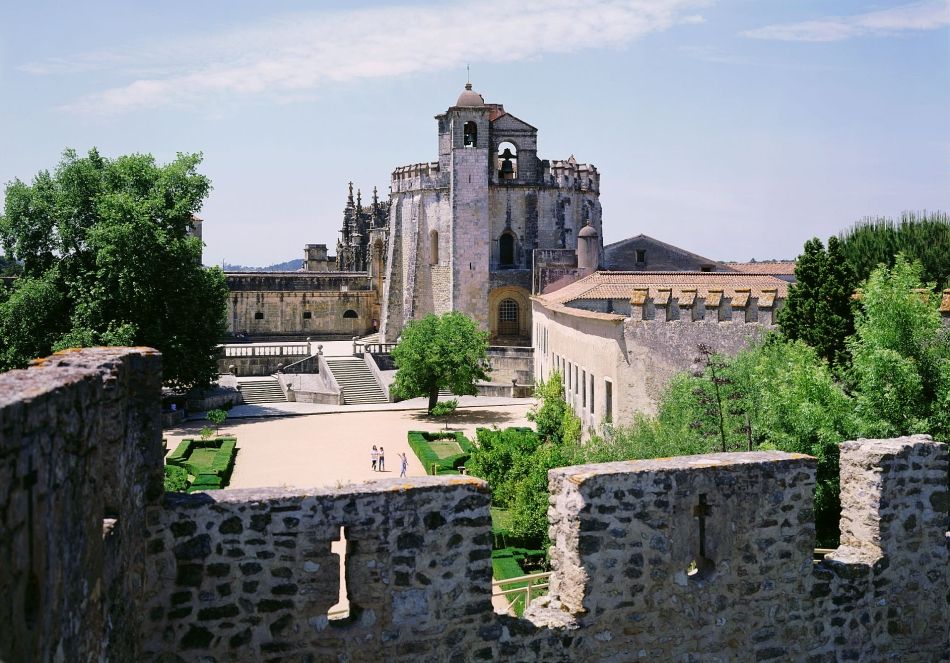
Convent of Christ Tomar is the focus of this guide.
Convent of Christ Tomar: what to know
The Convent of Christ in Tomar, Portugal, was built predominantly during the reigns of several Portuguese monarchs, starting from the 12th century. Originally established by the Knights Templar, it became the seat of the Order of Christ after the Templars were disbanded.
Origins and Development
The Convent of Christ is a magnificent example of Portuguese architectural evolution, initially established in the 12th century. The construction began with the foundation of the Templar Castle in 1160, serving as a fortress and convent for the Knights Templar. When the Templars were dissolved in 1312, the site was transferred to the Order of Christ, a successor organization directed by Prince Henry the Navigator.
Architectural Highlights
The Convent comprises a variety of architectural styles, reflecting significant historical periods and influences. One of the standout features is the Charola, the Templar church modeled after Jerusalem’s Church of the Holy Sepulchre. This round church is a rare example of medieval European architecture.
During the reign of King Manuel I (1495-1521), significant expansions were made, including the creation of the Manueline nave by architects Diogo de Arruda and João de Castilho. This period saw the introduction of ornate designs that exemplified Portugal’s maritime discoveries and aspirations.
Further Expansions
King João III continued the enhancement of the Convent by initiating the construction of a larger complex to the west of the enlarged church. This new convent structure incorporated Renaissance-style cloisters, reflecting the European architectural trends of that era.
Under the reign of the Spanish Habsburgs (1580-1640), further developments included the completion of the principal cloister and the construction of a new sacristy in a Mannerist style. The construction of the Aqueduct of Pegões during this period stands out as a remarkable feat of engineering.
The 19th and 20th Centuries
In the 19th century, some parts of the convent, particularly the west wing, were transformed into a neoclassical palace following acquisition by the politician Costa Cabral. The adaptation reflects the tastes and architectural sensibilities of that era.
By the mid-1980s, the Portuguese government assumed full ownership of the Convent of Christ, restoring it for cultural and tourism purposes. It was recognized as a UNESCO World Heritage Site in 1983, acknowledging its historical and architectural significance.
Visiting the Convent Today
Today, the Convent of Christ is a popular tourist attraction, offering a journey through centuries of Portuguese history and architecture. Visitors can explore the various cloisters, the grand Charola, and the stunning Manueline details that tell tales of Portugal’s sea explorations.
The site also includes other notable structures such as the Aqueduct of Pegões and the surrounding Mata dos Sete Montes, offering visitors a comprehensive insight into the heritage of the area.
Tips for Travelers
The Convent is accessible by a scenic walk from the town of Tomar. Ensure to wear comfortable shoes as the site is expansive, with numerous stairs and pathways. Consider visiting in the off-peak hours to enjoy the site with fewer people around.
Photography is allowed, so bring your camera to capture the intricate details of the architecture. Guides and information panels are available to enhance your understanding of the complex’s rich history.
Frequently Asked Questions
- Is the Convent of Christ accessible year-round?
Yes, except during specific holidays and for temporary closures due to weather or renovations. - Are there guided tours available?
Yes, guided tours are available and can enhance the experience, providing deeper historical context and anecdotes.
Conclusion
The Convent of Christ in Tomar stands as a testament to Portugal’s dynamic history, reflecting a blend of architectural styles and historical narratives. Its evolution from a Templar stronghold to a magnificent monastery encapsulates nearly a millennium of Portuguese history.
More in the city: Explore Tomar further to discover its rich history and scenic beauty.
Summary: If you are planning around Convent of Christ Tomar, align timing, logistics, and expectations with the details above.


Ready to plan without stress?
Use the tags above to open the right city page, or request a quote and we’ll help you plan.