Ensopado de borrego
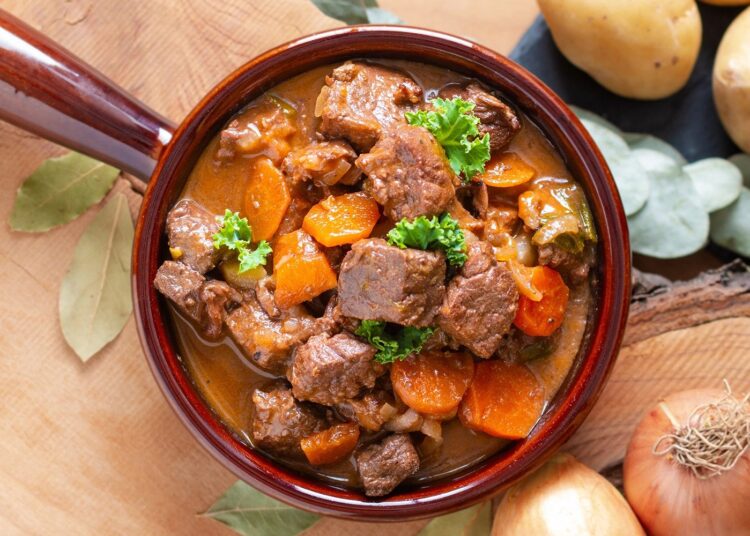
Slow-stewed lamb served over slices of dense Alentejo bread that drink up the broth — the shepherd's dish of the plains and the deepest comfort food on an Évora menu.
- lamb
- stew
- traditional
Local food, traditional dishes and regional specialties in Évora, selected for quality and authenticity.

Slow-stewed lamb served over slices of dense Alentejo bread that drink up the broth — the shepherd's dish of the plains and the deepest comfort food on an Évora menu.

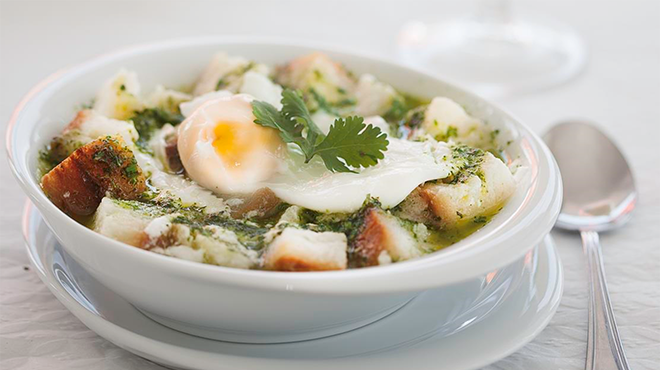
The Alentejo's genius for bread in a bowl: garlic, coriander and olive oil pounded together, scalded with water, poured over bread and crowned with a poached egg. Poverty cooking elevated to identity.

Small convent tarts of fresh ewe's cheese, egg yolk and cinnamon in a thin crisp shell — Évora's centuries-old sweet, born in the city's convents and sold in its pastelarias ever since.

A small, intense ewe's-milk cheese with protected origin status — firm to hard, peppery and long on the tongue, made around the city since shepherding began on these plains.

The Alentejo's cloud-soft cinnamon pudding, baked until it cracks, served with the famous candied plums of Elvas — the region's grandest dessert pairing.

Évora is the capital of one of Portugal's great wine regions — generous reds, increasingly fine whites and the ancient talha wines fermented in clay amphorae, poured by the glass across the old town.

Golden-green, peppery olive oil from the groves around Évora — several with DOP status — poured over bread, soups and grills as the region's universal seasoning.

The dense, crusty wheat loaf with its topknot crown — the structural ingredient of Évora's cooking, from açorda to ensopado, and bread worth eating on its own.

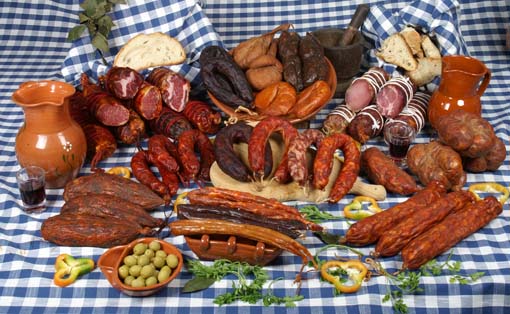
Smoked sausages from acorn-fed black pigs of the montado — paio, painho, farinheira and chouriço — served as petiscos before the meal and folded into the region's bean and bread dishes.