
GoToo · Portugal
Torre de Moncorvo Medieval Fair: The Complete Visitor Guide
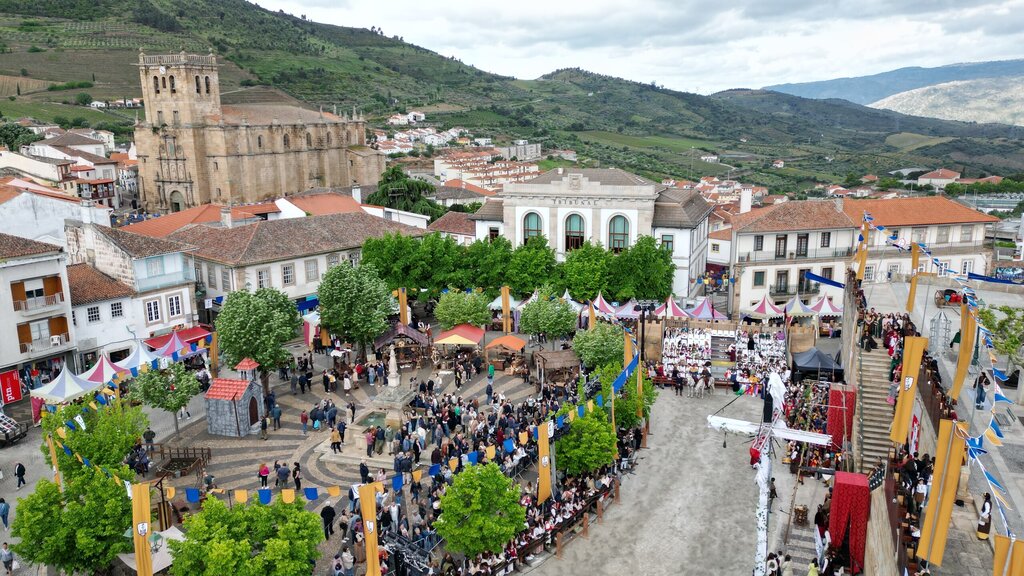
The Torre de Moncorvo Medieval Fair is one of northeastern Portugal’s most atmospheric heritage events, held in the historic town of Torre de Moncorvo in the Trás-os-Montes region. Each year it transforms the town’s medieval streets into a living history experience of crafts, costumes, jousting, and traditional food — making it a rewarding detour for travellers exploring inland Portugal.
What Is the Torre de Moncorvo Medieval Fair?
The fair is a multi-day open-air event that recreates life in medieval Portugal through immersive street performances, artisan markets, period-accurate costumes, and traditional gastronomy. Local associations, craftspeople, and performers work together to animate the town’s historic centre, which already carries strong medieval bones: narrow stone streets, the Church of Our Lady of the Assumption (one of the largest Gothic churches in the region), and ancient walls that provide a natural stage.
Unlike larger commercial medieval fairs found in bigger Portuguese cities, Torre de Moncorvo’s version retains a community-rooted character. Expect blacksmiths working iron, potters shaping clay, archers demonstrating their craft, and tables laden with amêndoa (almond) sweets — the town is historically famous for almond production. The fair typically also features live music in the folk and medieval style, children’s activities, and theatrical processions through the streets after dark.
When Is the Fair and How Long Should You Stay?
The Torre de Moncorvo Medieval Fair generally takes place over a weekend in late spring or early summer, though the precise dates vary year to year. Check the official municipality website or local tourism boards ahead of travel, as programming and scheduling are confirmed closer to the event.
Most visitors find a full day sufficient to see everything comfortably — arriving mid-morning to browse the artisan stalls, pausing for a long lunch of regional dishes, and staying into the evening for the torch-lit processions and performances. If you prefer a slower pace or want to explore the surrounding Douro Superior landscape, an overnight stay in the area is well worth it. The region is genuinely beautiful, and Torre de Moncorvo itself deserves an unhurried visit beyond the fair days.
Best time of day: Arrive by mid-morning to beat the midday heat and catch craftspeople at work. Return after dinner for the most atmospheric part of the event, when the streets are lit and performers are most active.
How to Get to Torre de Moncorvo
Torre de Moncorvo sits in the northeastern interior of Portugal, roughly between Vila Real and the Spanish border. It is not served by direct rail or frequent long-distance coach connections, which makes private road travel the most practical option for most visitors.
From Porto, the drive takes approximately two hours via the A4 motorway. From Lisbon, allow around three and a half to four hours. If you are flying into Porto Francisco Sá Carneiro Airport and want a seamless, door-to-door journey into the Trás-os-Montes interior, a private transfer is a straightforward solution — GoToo operates comfortable private transfers from Portuguese airports and major cities to destinations across the country, including less-travelled inland routes like this one, so you arrive relaxed and ready to explore.
Driving your own rental car gives maximum flexibility once you are in the region, especially if you plan to combine the fair with visits to the Douro Valley wine country or the natural parks nearby.
Highlights Not to Miss
- Almond sweets and regional food stalls: Torre de Moncorvo’s almond heritage is everywhere at the fair. Try traditional confections and paired local wines from the Douro Superior denomination.
- Artisan demonstrations: Blacksmithing, pottery, weaving, and leatherwork are typically demonstrated live — these are working craftspeople, not props.
- Period costume parade: A procession of costumed residents and performers winds through the historic centre, often timed for the evening when torches and lanterns are lit.
- Jousting and medieval games: Equestrian displays and archery demonstrations are crowd favourites, usually staged in the town’s open squares.
- The Church of Our Lady of the Assumption: Step inside during quieter moments — the scale and Gothic detailing are genuinely impressive for a town of this size.
Is It Worth It? An Honest Assessment by Traveller Type
History and culture enthusiasts: Absolutely. The fair is genuine, community-driven, and set in an architecturally coherent historic town. It does not feel manufactured.
Families with children: Yes, with caveats. Children tend to love the costumes, horses, and hands-on demonstrations. The terrain is uneven cobblestone in places, so bring appropriate footwear and a carrier for very small children rather than a wide pushchair.
Travellers seeking big-city amenities: Probably not the right fit. Torre de Moncorvo is a small town, accommodation options are limited, and the fair itself is intimate rather than spectacular. Manage expectations and you will be pleasantly surprised.
Wine and food travellers: Strong yes. The Douro Superior is an underexplored wine region, and the fair provides a natural anchor for a broader food and wine itinerary in the northeast.
Accessibility for Families and Seniors
The historic centre of Torre de Moncorvo involves cobblestone streets and some gradient, which can be challenging for wheelchairs or mobility aids. That said, the fair’s main gathering areas are generally accessible with care, and the town is compact enough that distances are short. Seniors who are comfortable walking on uneven surfaces will find the pace of the fair relaxed and manageable. Shaded seating is usually available near performance areas. If you have specific accessibility requirements, contacting the municipality in advance is advisable.
What Is Nearby?
Torre de Moncorvo sits at the edge of the Douro Superior wine region, making it an ideal base for a broader road trip. Within easy driving distance you will find:
- Freixo de Espada à Cinta — a beautifully preserved village with a Manueline church tower and almond blossom in late winter.
- Mogadouro — another medieval town with a ruined castle and quiet, authentic character.
- Douro International Natural Park — dramatic gorge landscapes straddling the Portuguese-Spanish border, excellent for walking and birdwatching.
- Pocinho and the Douro Valley — the eastern end of the Douro wine country, less visited than the Pinhão area but equally beautiful.
FAQs
Do I need to buy tickets in advance for the Torre de Moncorvo Medieval Fair?
Much of the fair takes place in public streets and squares and is free to attend. Some specific performances, banquets, or seated events may require tickets, which are typically available through the municipality’s official channels. Check local listings close to the event date for any ticketed elements.
What language is the fair conducted in?
All official programming is conducted in Portuguese. However, the visual and experiential nature of the fair — crafts, food, performances, and street life — is fully enjoyable without Portuguese language skills. Many stall holders and performers are accustomed to international visitors.
Is Torre de Moncorvo safe for tourists?
Yes. Like most small towns in northeastern Portugal, Torre de Moncorvo has a low crime rate and a welcoming attitude toward visitors. Standard travel common sense applies, particularly in crowded fair areas: keep valuables secure and be aware of your surroundings in large evening gatherings.
What should I wear to a Portuguese medieval fair in summer?
Comfortable walking shoes with grip are essential given the cobblestone terrain. Light, breathable clothing suits the summer temperatures in inland Portugal, which can be significantly warmer than coastal areas. Bring a light layer for evening, when temperatures drop and you may be outside for extended periods during the night processions.
Are there restaurants and cafés open during the fair?
Yes. Local restaurants and cafés typically remain open and often extend their hours during the fair weekend. The fair itself also features food stalls serving regional specialities. Arriving with a flexible approach to dining — and a willingness to eat at local hours rather than tourist hours — will serve you well.
Ready to make your journey to northern Portugal effortless? Explore private transfer options across the country with GoToo, Portugal’s private transfer specialists for airport and city-to-city journeys.


Ready to plan without stress?
Use the tags above to open the right city page, or request a quote and we’ll help you plan.